E-Bike Battery Recycling UK 2026: How to Dispose of Your Old Battery Safely
TL;DR
E-bike batteries contain lithium-ion cells that must be recycled properly. Never put them in household waste or general recycling. In the UK, you can recycle e-bike batteries at local council recycling centres, some bike shops, and specialist battery recyclers. Most accept them free of charge. Always discharge to below 30% and tape the terminals before transporting.
Why Proper Recycling Matters
E-bike batteries contain lithium, cobalt, nickel, and manganese. These materials are:
- Valuable: Recovered metals are reused in new batteries
- Hazardous: Improper disposal causes soil and water contamination
- Fire risk: Damaged lithium-ion batteries can catch fire (thermal runaway)
UK regulations (The Waste Batteries and Accumulators Regulations 2009) require producers to finance collection and recycling. This means recycling should be free for consumers.
Where to Recycle in the UK
1. Local Council Recycling Centres (HWRCs)
Most Household Waste Recycling Centres accept e-bike batteries in their battery or hazardous waste section. Check your local council website for specific guidance.
2. Bike Shops
Many e-bike dealers accept old batteries for recycling, especially if you are buying a replacement. Specialized, Trek, and Giant dealers often participate in manufacturer take-back schemes.
3. Battery Recycling Companies
- Ecobat: UK's largest battery recycler, accepts lithium-ion batteries
- G&P Batteries: Specialist in rechargeable battery recycling
- Veolia: Operates recycling schemes for various UK councils
4. Retail Collection Points
Halfords, Currys, and some supermarkets have battery collection points, though these are typically for smaller batteries. Call ahead to check if they accept e-bike batteries.
How to Prepare Your Battery
- Discharge to 20-30%: A partially discharged battery is safer to transport than a fully charged one. Do not fully discharge, as this can damage cells.
- Inspect for damage: Check for swelling, cracks, dents, or leaks. If the battery is physically damaged, do not transport it yourself; call a specialist recycler for collection.
- Tape the terminals: Cover the positive and negative terminals with insulating tape to prevent short circuits during transport.
- Remove from the bike: Most recycling centres require the battery to be removed from the bike.
- Keep upright: Transport the battery upright in a non-conductive container.
Battery Lifespan and When to Replace
| Indicator | Action |
|---|---|
| Range dropped below 70% of original | Consider replacement |
| Battery swelling | Stop using immediately, recycle |
| Won't hold charge | Recycle |
| Error codes on display | Dealer diagnosis first |
| 5+ years old with heavy use | Check capacity, consider replacement |
Most e-bike batteries last 500-1,000 full charge cycles, which translates to 3-7 years of regular use. A battery that has lost 30%+ capacity is a good candidate for replacement.
Replacement Battery Costs
| Brand | Battery Type | Approximate UK Cost |
|---|---|---|
| Bosch PowerTube 625 | 625 Wh | £550-650 |
| Bosch PowerTube 750 | 750 Wh | £650-750 |
| Shimano STEPS BT-E8036 | 630 Wh | £500-600 |
| Specialized (Turbo Levo) | 700 Wh | £600-700 |
| Trek (Removable) | 625 Wh | £500-600 |
Always buy genuine replacement batteries from authorised dealers. Third-party batteries may not meet safety standards and can void your bike's warranty.
Environmental Impact
Recycling one e-bike battery:
- Recovers up to 95% of cobalt, nickel, and copper
- Prevents up to 20 kg of hazardous waste entering landfill
- Saves the energy equivalent of charging 500 smartphones
The UK recycles approximately 45% of portable batteries (including e-bike). The government target is 65% by 2030. Every battery recycled makes a difference.
What NOT to Do
- Never put in household waste: Fire risk in waste vehicles and landfill
- Never put in general recycling: Contamination risk and potential fire
- Never open or disassemble: Lithium cells can catch fire if punctured
- Never throw in water: Chemical reaction risk
- Never store a damaged battery indoors: If swollen or damaged, store in a fireproof container outdoors and arrange collection
Second Life Options
Before recycling, consider whether your battery has a second life:
- DIY powerwall: Used e-bike batteries can power home energy storage (requires expertise)
- Portable power station: Cells can be repurposed for camping/outdoor use
- Sell to a refurbisher: Some companies buy used e-bike batteries, test cells, and rebuild packs for resale
These options extend the battery's useful life by 2-5 years before final recycling.
For replacement batteries and recycling advice, visit ebikesandgear.co.uk or contact our team.
FAQ
Is it free to recycle an e-bike battery in the UK?
Yes, in most cases. Council recycling centres and many bike shops accept e-bike batteries for free under the producer responsibility regulations.
Can I put an e-bike battery in my wheelie bin?
Absolutely not. Lithium-ion batteries in general waste are a serious fire hazard. They must be taken to a proper recycling facility.
How do I know when my e-bike battery needs replacing?
When your range has dropped below 70% of the original, the battery no longer charges fully, or the battery management system shows errors, it is time to consider replacement.
Shop the range
Related products
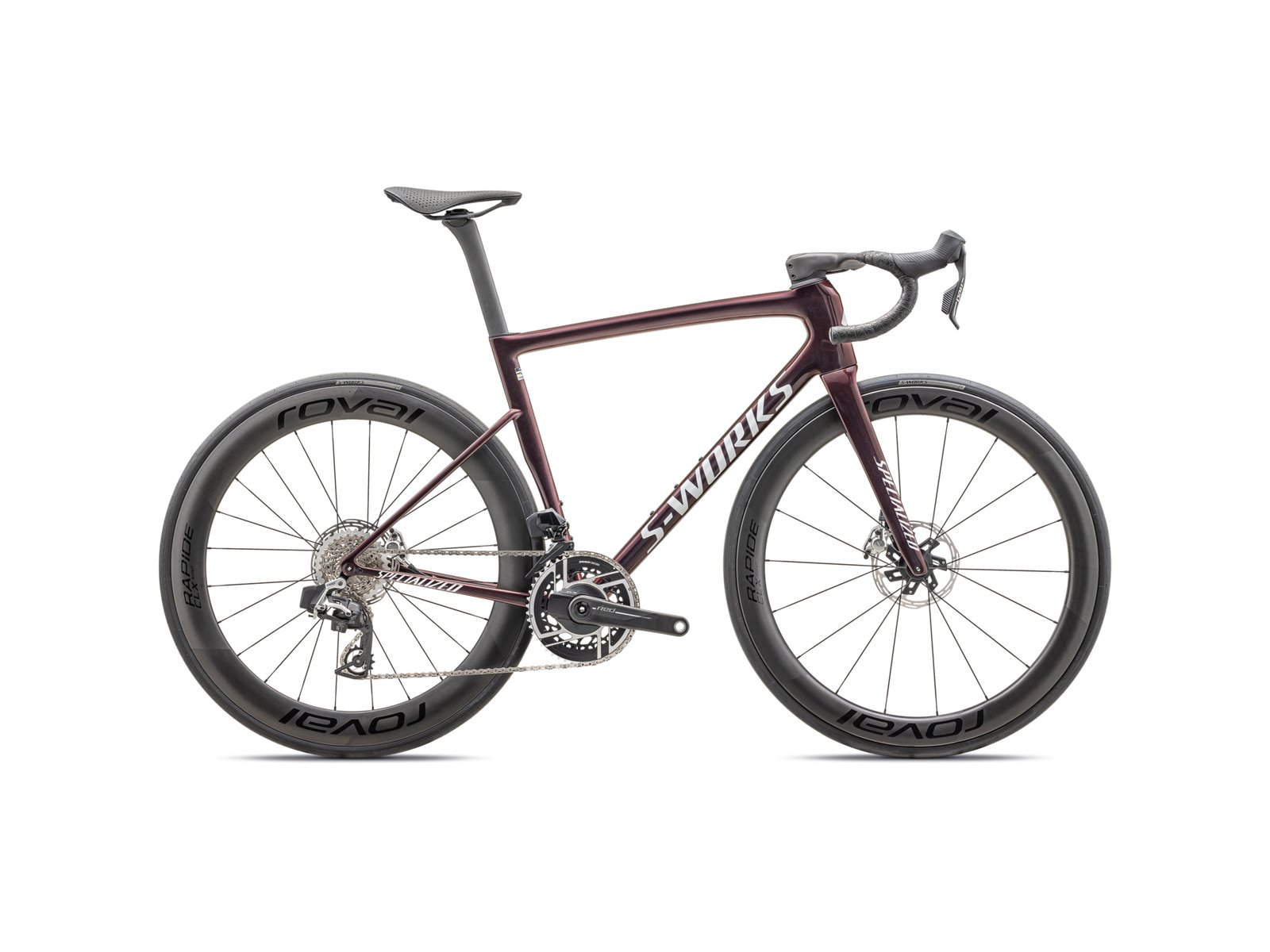
The fastest race bike ever made — FACT 12r carbon, 6.7 kg complete, aero refined in the Win Tunnel.
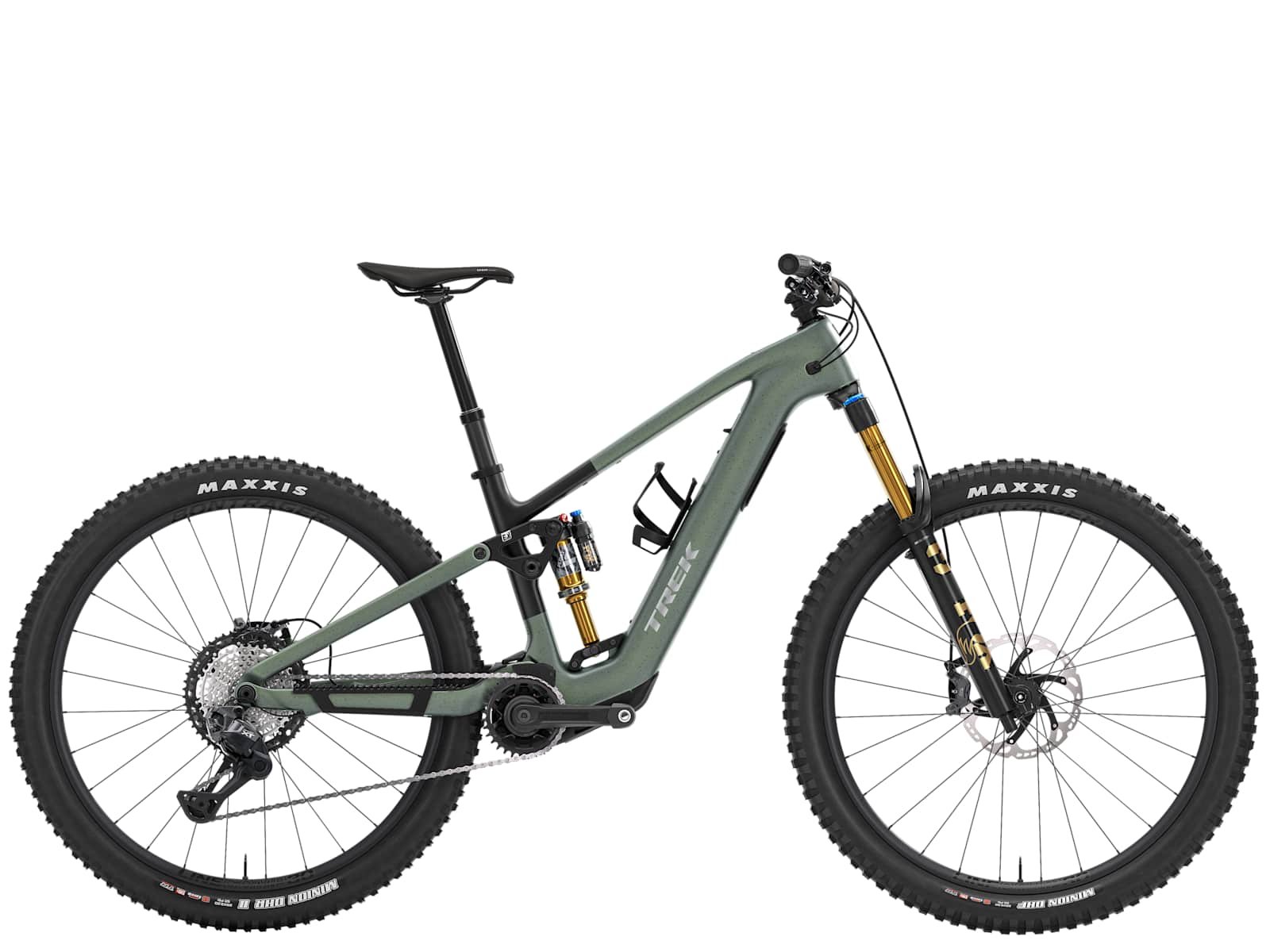
The 2026 e-trail benchmark — Shimano XT Di2 electronic shifting and four-position adjustable geometry.
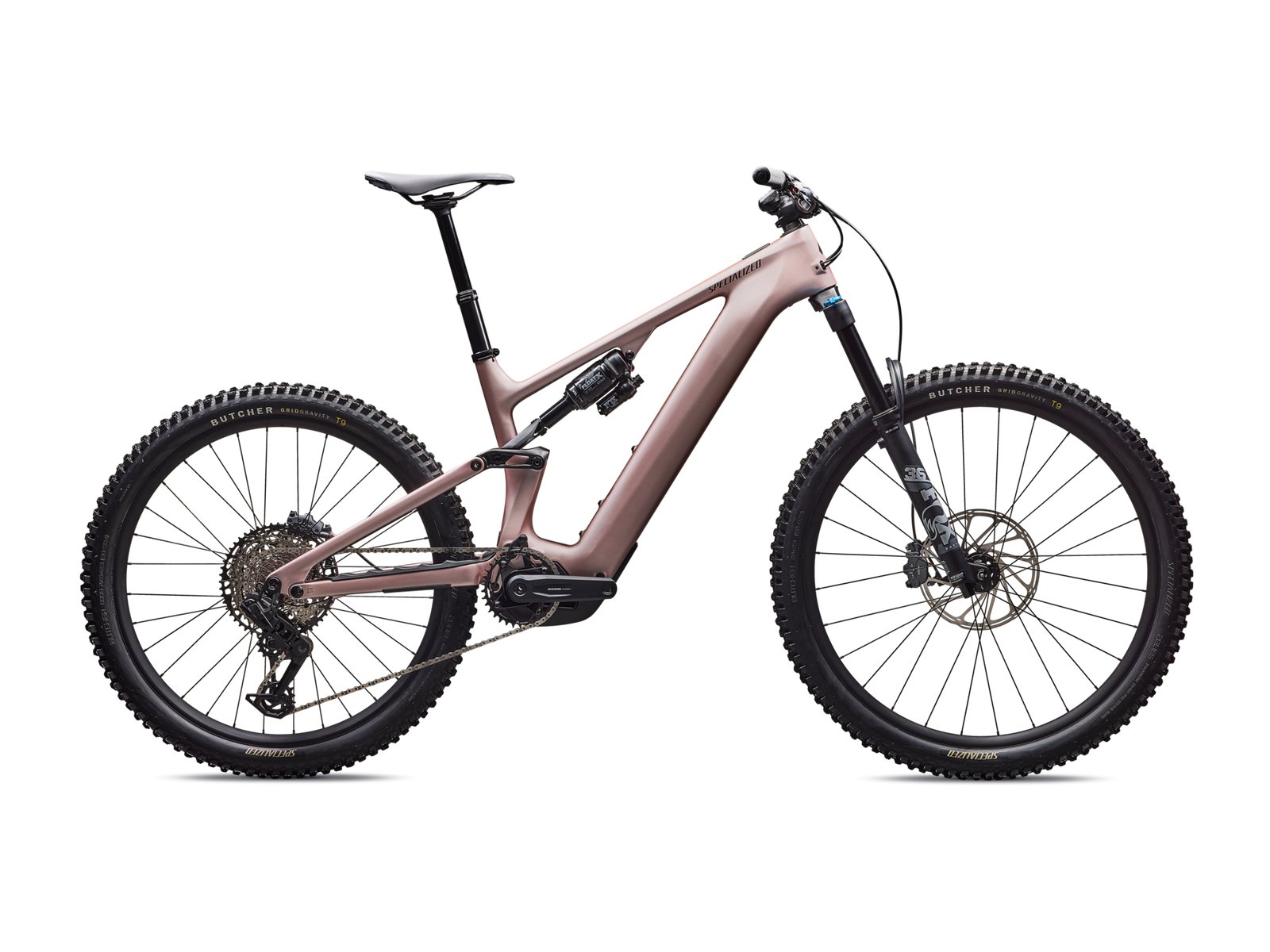
The Icon. All-new 101Nm Specialized 3.1 motor — the most powerful, most refined Levo ever created.