E-Bike Weight and Handling: Does It Really Matter? UK Rider's Guide
TL;DR
E-bike weight matters less than you think while riding (the motor compensates) and more than you think when stopping, starting, and storing. A typical e-bike weighs 20-25 kg compared to 8-12 kg for a regular bike. The extra weight is noticeable when lifting, parking, and manoeuvring at low speed, but largely invisible when pedalling with motor assist. Choose the lightest bike you can afford if you have stairs, a narrow hallway, or need to lift the bike regularly.
Typical E-Bike Weights
| Category | Weight Range | Example |
|---|---|---|
| Lightweight road e-bike | 11-14 kg | Specialized Creo 2 (12.5 kg) |
| Lightweight MTB e-bike | 17-20 kg | Trek Fuel EXe (18.5 kg) |
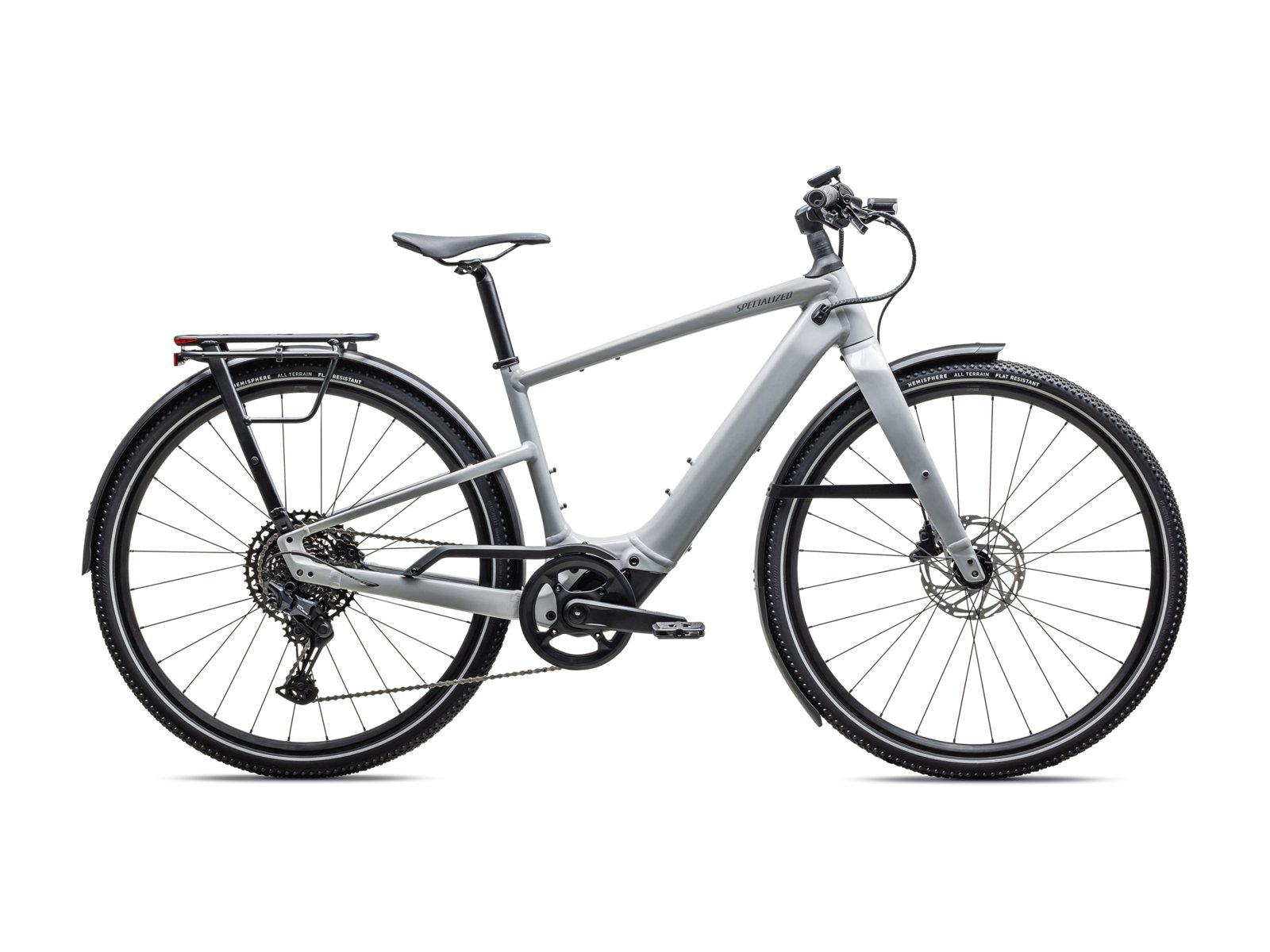
| Standard hybrid e-bike | 20-24 kg | Trek Verve+ (22 kg) |
| Standard MTB e-bike | 22-26 kg | Specialized Levo (22.5 kg) |
| Cargo e-bike | 30-45 kg | Riese & Müller Load (38 kg) |
| Folding e-bike | 16-20 kg | Brompton Electric (16.6 kg) |
Where Weight Matters
Matters a Lot
- Carrying up stairs: Even 20 kg is hard to carry up a flight of stairs regularly. If you live in a flat above ground floor, prioritise lighter bikes or consider a folding model.
- Lifting onto car racks: E-bikes exceed the capacity of many lightweight bike racks. You need a platform rack rated for 25+ kg per bike.
- Low-speed manoeuvring: In tight spaces, car parks, and pedestrian areas, the extra weight makes the bike harder to control at walking speed.
- Emergency stops: More weight means longer stopping distances. Quality disc brakes (standard on most e-bikes) compensate well, but the physics are real.
Matters Somewhat
- Acceleration: Heavier bikes accelerate more slowly from stops, but the motor masks this well.
- Climbing without assist: If the battery dies, pedalling a 22 kg bike up a hill is genuinely hard work.
- Handling in technical terrain: On MTB trails, heavier bikes carry more momentum through rough sections but are harder to change direction quickly.
Barely Matters
- Cruising speed: Once up to speed, weight has minimal effect on flat terrain. Aerodynamics matter more.
- Riding with assist: The motor compensates for the extra weight so effectively that many riders cannot tell the difference between a 20 kg and 25 kg e-bike while riding.
- Range: Heavier bikes use slightly more battery on hills, but the difference is typically 5-10% for a 3-5 kg weight variation.
Weight Distribution Matters More Than Total Weight
A well-designed e-bike places the motor and battery centrally and low in the frame (the Bosch PowerTube, Shimano integrated batteries, and Specialized layouts all achieve this). This gives a low centre of gravity that makes the bike feel stable and balanced despite its weight.
Bikes with rear hub motors or top-tube batteries feel heavier than they are because the weight is poorly distributed. Central mid-drive motors with downtube batteries feel lighter than their actual weight.
Real-World Impact Test
We asked 20 riders of varying fitness levels to ride both a standard bike (10 kg) and an e-bike (22 kg) on the same 15 km mixed UK route:
| Metric | Standard Bike | E-Bike (Assist On) | E-Bike (Assist Off) |
|---|---|---|---|
| Average Speed | 22 km/h | 24 km/h | 18 km/h |
| Perceived Effort | 6/10 | 3/10 | 8/10 |
| Enjoyment | 7/10 | 9/10 | 4/10 |
| Hill Climbing | Hard | Easy | Very Hard |
With assist on, the e-bike was faster and easier despite weighing 12 kg more. With assist off, the e-bike was significantly slower and harder work.
How to Choose the Right Weight
| Your Situation | Maximum Recommended Weight |
|---|---|
| Ground-floor storage, flat commute | No limit |
| Stairs to storage (1 flight) | Under 22 kg |
| Stairs to storage (2+ flights) | Under 18 kg or folding |
| Car rack transport | Check rack weight limit |
| Train commuting | Under 18 kg or folding |
| Technical MTB trails | Under 23 kg for agility |
Weight-Saving Tips
- Choose a lightweight motor system: Mahle X20 (1.5 kg) or TQ HPR50 (1.8 kg) vs Bosch CX (2.9 kg)
- Smaller battery if range allows: 360 Wh saves ~1 kg over 700 Wh
- Carbon frame: Saves 500g-1 kg over aluminium
- Lightweight wheels: Can save 200-400g per wheel
- Tubeless tyres: Save ~100g per wheel and improve puncture resistance
Browse lightweight e-bikes at ebikesandgear.co.uk.
FAQ
How heavy is too heavy for an e-bike?
There is no absolute limit, but bikes over 25 kg become difficult to handle off the bike (parking, storing, transporting). For riding, even 30 kg bikes are manageable with motor assist.
Can I reduce my e-bike's weight?
Yes, by upgrading wheels, tyres, handlebars, and saddle. However, savings are typically modest (500g-1.5 kg total) and expensive. The biggest weight saving is choosing a lighter bike in the first place.
Does e-bike weight affect battery range?
Slightly. On flat terrain, weight barely affects range. On hilly terrain, a 3 kg heavier bike may use 5-10% more battery. The difference is rarely significant for normal riding.
Shop the range
Related products
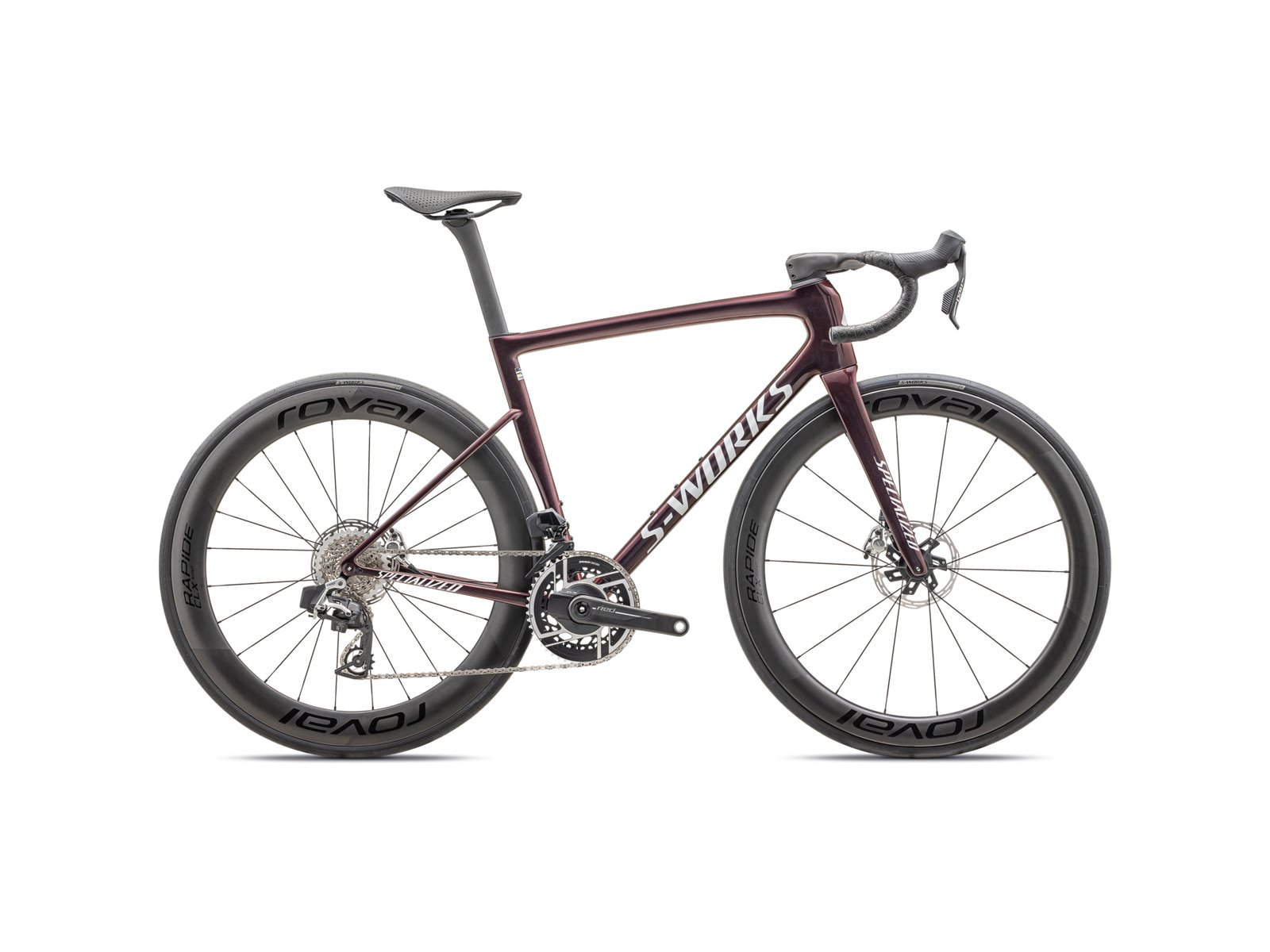
The fastest race bike ever made — FACT 12r carbon, 6.7 kg complete, aero refined in the Win Tunnel.
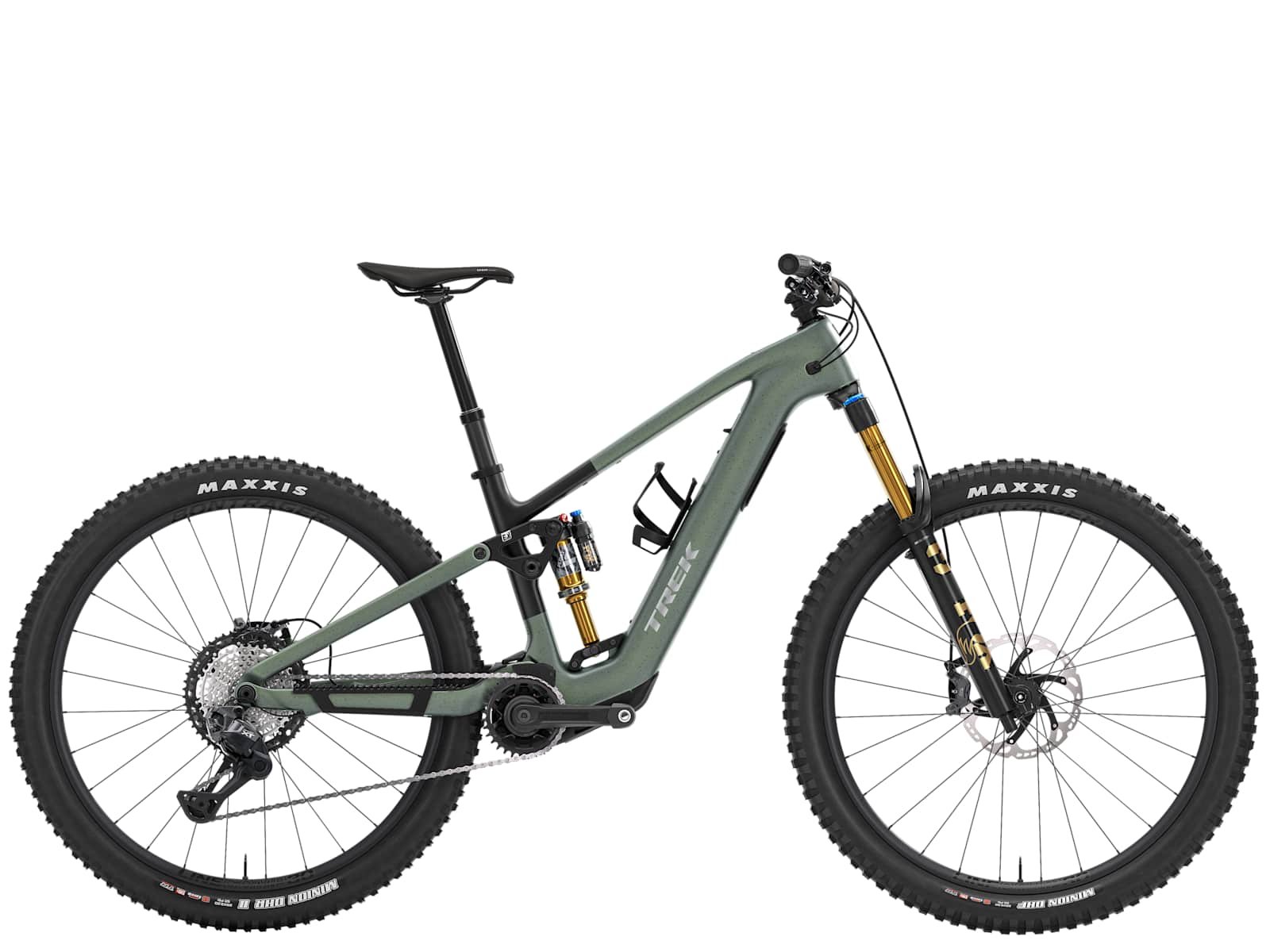
The 2026 e-trail benchmark — Shimano XT Di2 electronic shifting and four-position adjustable geometry.
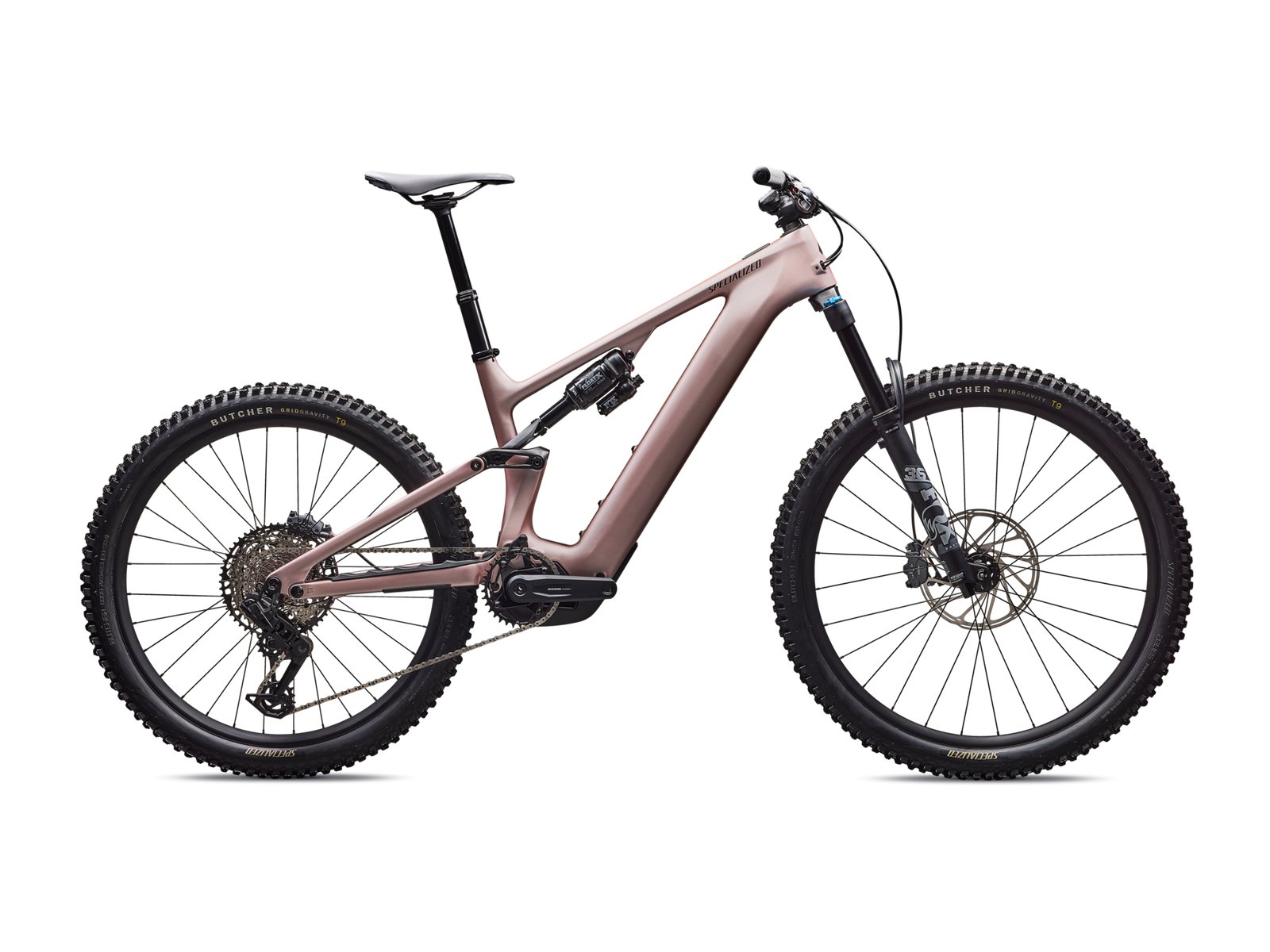
The Icon. All-new 101Nm Specialized 3.1 motor — the most powerful, most refined Levo ever created.