How to Choose Your First E-Bike UK 2026: Beginner's Complete Buying Guide
TL;DR
Choosing your first e-bike comes down to three decisions: type (commuter, road, mountain, hybrid), budget (£800-5,000 for quality options), and motor system (Bosch, Shimano, Brose, or Mahle are the most reliable). Start with a test ride at a local dealer, prioritise battery size for your commute distance, and use the Cycle to Work scheme to save 32-47%. Here is the complete guide.
Step 1: Choose Your E-Bike Type
| Type | Best For | Price Range | Example |
|---|---|---|---|
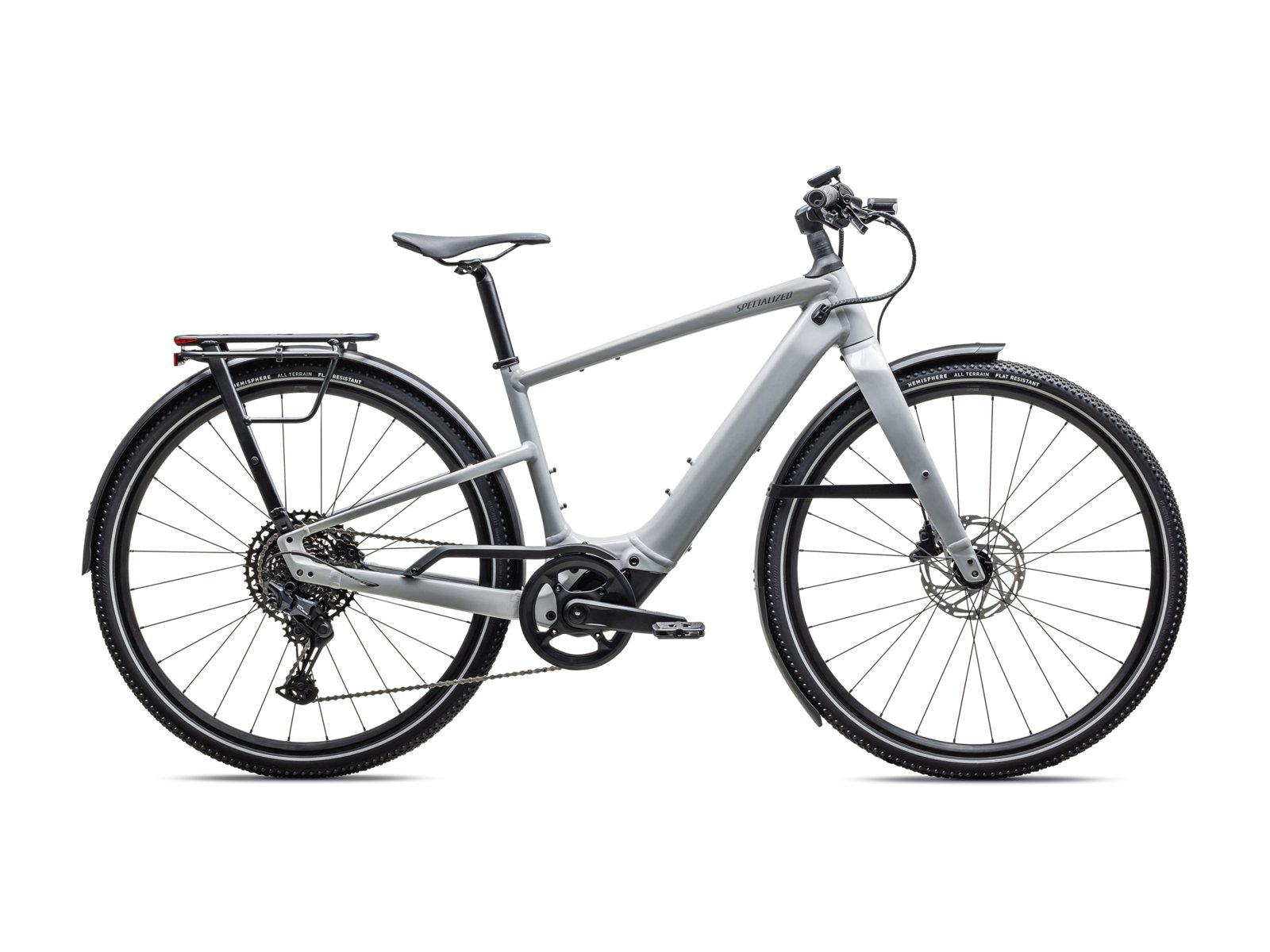
| Hybrid/City | Commuting, shopping | £800-3,000 | Specialized Vado |
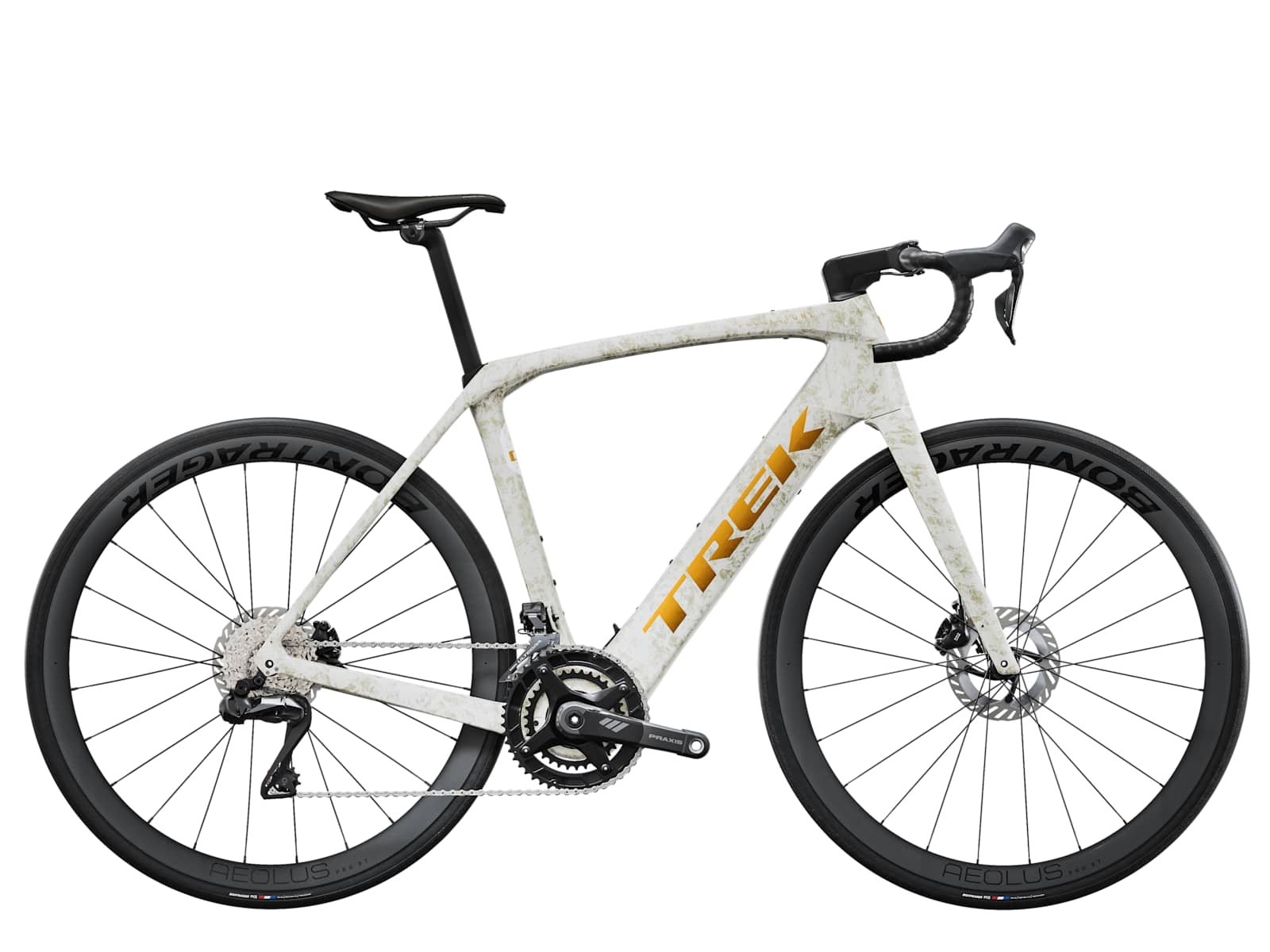
| Road | Fast commuting, sportives | £2,000-8,000 | Specialized Creo |
| Mountain | Off-road trails | £2,500-12,000 | Specialized Levo |
| Folding | Train commuters | £1,000-3,500 | Brompton Electric |
| Cargo | Family transport | £2,500-6,000 | Riese & Müller Load |
Hybrid/City E-Bikes
The most popular choice for UK buyers. Comfortable upright position, practical features (mudguards, racks, lights), and suitable for commuting, shopping, and leisure riding. If you are buying your first e-bike for general use, start here.
Road E-Bikes
Designed for fitness riding and longer distances. Lightweight with drop handlebars. Great for riders who want to maintain speed on sportives or keep up with faster friends. Less practical for daily errands.
Mountain E-Bikes
For off-road trail riding. Powerful motors, long-travel suspension, and robust construction. Only worth the premium if you actually ride off-road regularly.
Step 2: Understand Motor Systems
The motor is the most important component of an e-bike. The main options:
| Motor | Torque | Feel | Best For |
|---|---|---|---|
| Bosch Performance CX | 85 Nm | Powerful, direct | MTB, hilly commutes |
| Bosch Active Line Plus | 50 Nm | Smooth, quiet | Flat commutes |
| Shimano EP8 | 85 Nm | Natural, efficient | MTB, trail |
| Shimano STEPS E6100 | 60 Nm | Balanced | City, hybrid |
| Brose Drive S Mag | 90 Nm | Smooth, silent | Premium MTB |
| Mahle X20 | 55 Nm | Lightest, most natural | Road, light hybrid |
| TQ HPR50 | 50 Nm | Subtle, light | Road, lightweight MTB |
Mid-Drive vs Hub Motor
Mid-drive motors (Bosch, Shimano, Brose) sit at the cranks and use the gears, giving better hill climbing and more natural feel. Hub motors sit in the wheel and are simpler but less efficient on hills. For UK riding with any hills, always choose mid-drive.
Step 3: Battery Size
Battery capacity (measured in Wh) determines range. Bigger is better, but adds weight and cost.
| Battery Size | Typical Range | Best For |
|---|---|---|
| 250-400 Wh | 30-60 km | Short commutes (under 15 km each way) |
| 400-600 Wh | 50-100 km | Medium commutes (15-30 km each way) |
| 600-750 Wh | 80-130 km | Long commutes, all-day rides |
| 750+ Wh | 100-160 km | Touring, long-distance |
For a typical UK commute of 10-20 km each way, a 400-500 Wh battery is plenty. Always buy more battery than you think you need, as cold weather and hills reduce range.
Step 4: Budget and Value
| Budget | What You Get | Our Advice |
|---|---|---|
| Under £800 | Budget brands, basic motors | Avoid — poor reliability |
| £800-1,500 | Decent hub motors, basic spec | Entry-level commuters |
| £1,500-3,000 | Quality mid-drive motors, good spec | Sweet spot for most buyers |
| £3,000-5,000 | Premium motors, excellent spec | Best performance and durability |
| £5,000+ | Top-tier everything | Enthusiast/professional |
We recommend spending at least £1,500 for a reliable e-bike with a quality motor system. The Cycle to Work scheme makes bikes in the £2,000-3,000 range very accessible.
Step 5: Test Ride
Always test ride before buying. Book appointments at multiple dealers and try:
- Riding uphill in different assist modes
- Starting from a stop on a slope
- Riding without assist (to check weight)
- Braking at speed
- Checking comfort (saddle, handlebar position)
UK Legal Requirements
Your e-bike must meet EAPC (Electrically Assisted Pedal Cycle) rules to ride without a licence:
- Pedal-assist only (no throttle)
- Motor cuts out at 25 km/h (15.5 mph)
- Maximum continuous power 250W
- Must have pedals
Any bike meeting these rules is treated as a normal bicycle. No licence, registration, tax, or insurance required (age 14+ in England, Wales, and Scotland).
Our Top Picks for Beginners
| Category | Pick | Price | Why |
|---|---|---|---|
| Best Overall | Specialized Turbo Vado 4.0 | ~£2,800 | Perfect balance of power, range, and features |
| Best Value | Decathlon Riverside 500 E | ~£1,300 | Reliable Brose motor at an entry price |
| Best Commuter | Trek Verve+ 3 | ~£2,400 | Comfortable, practical, excellent range |
| Best Lightweight | Specialized Turbo Vado SL | ~£2,500 | Lightest quality e-bike, rides like a normal bike |
Browse all e-bikes at ebikesandgear.co.uk with free UK delivery and Cycle to Work scheme support.
FAQ
How far can an e-bike go on one charge?
Typically 40-100 km depending on battery size, terrain, assist level, and rider weight. A 500 Wh battery on mixed UK terrain gives roughly 60-80 km.
Do I still get exercise on an e-bike?
Absolutely. Studies show e-bike riders get significant cardiovascular benefit. You pedal the entire time; the motor supplements your effort.
How long does an e-bike battery last before it needs replacing?
Most quality batteries retain 80%+ capacity after 500-1,000 charge cycles, which translates to 3-7 years of regular use. Replacement batteries cost £300-600.
Shop the range
Related products
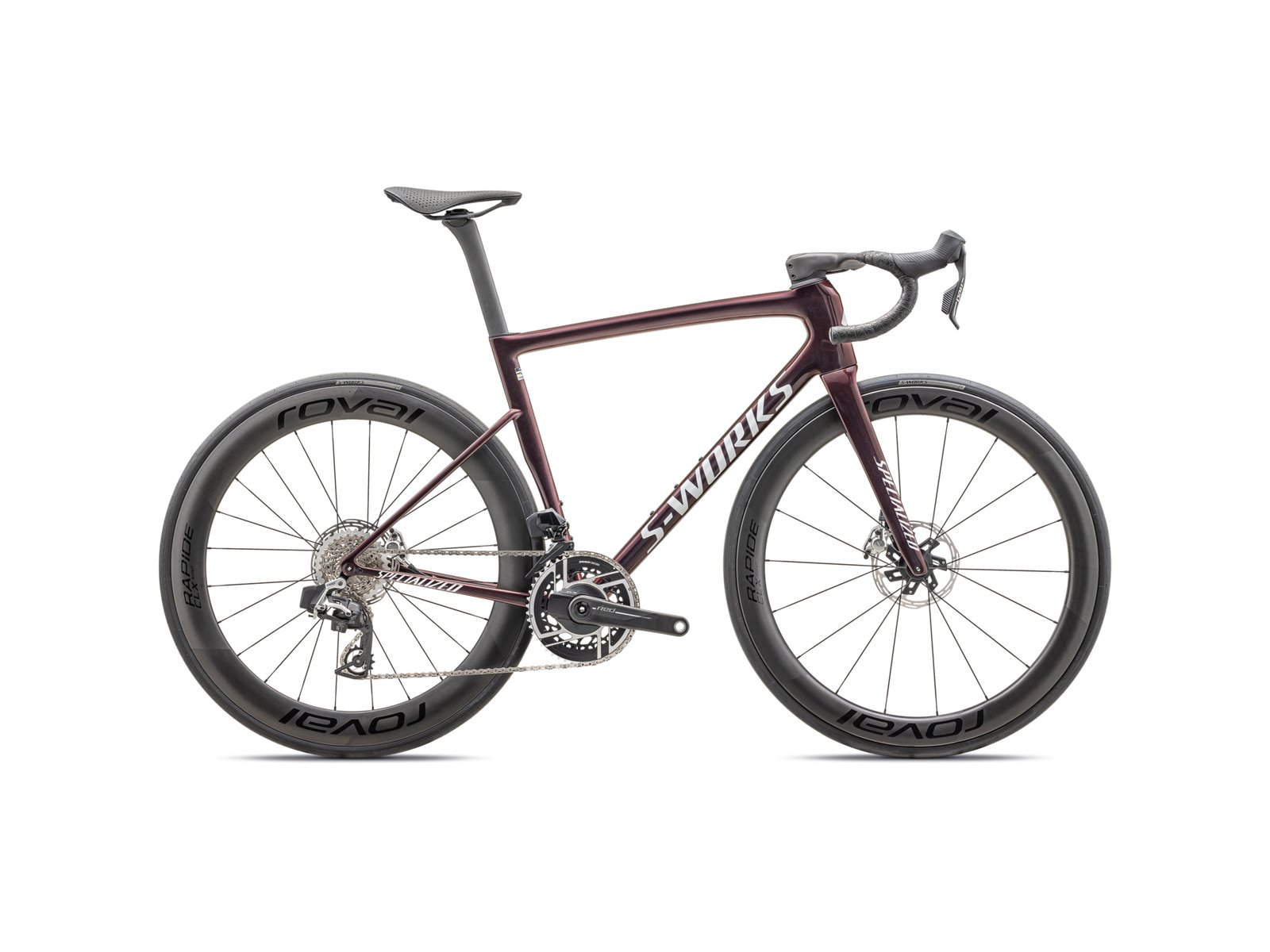
The fastest race bike ever made — FACT 12r carbon, 6.7 kg complete, aero refined in the Win Tunnel.
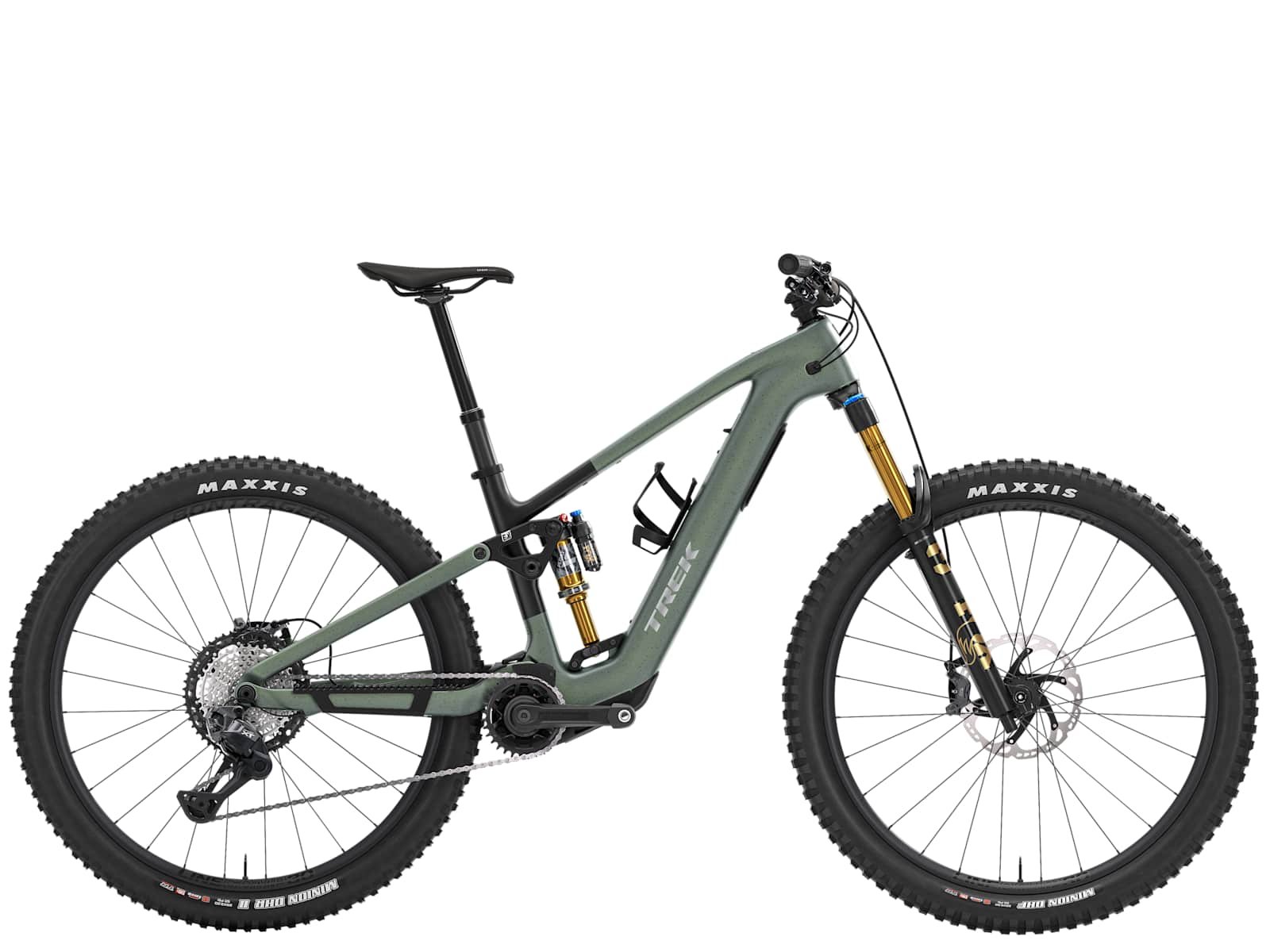
The 2026 e-trail benchmark — Shimano XT Di2 electronic shifting and four-position adjustable geometry.
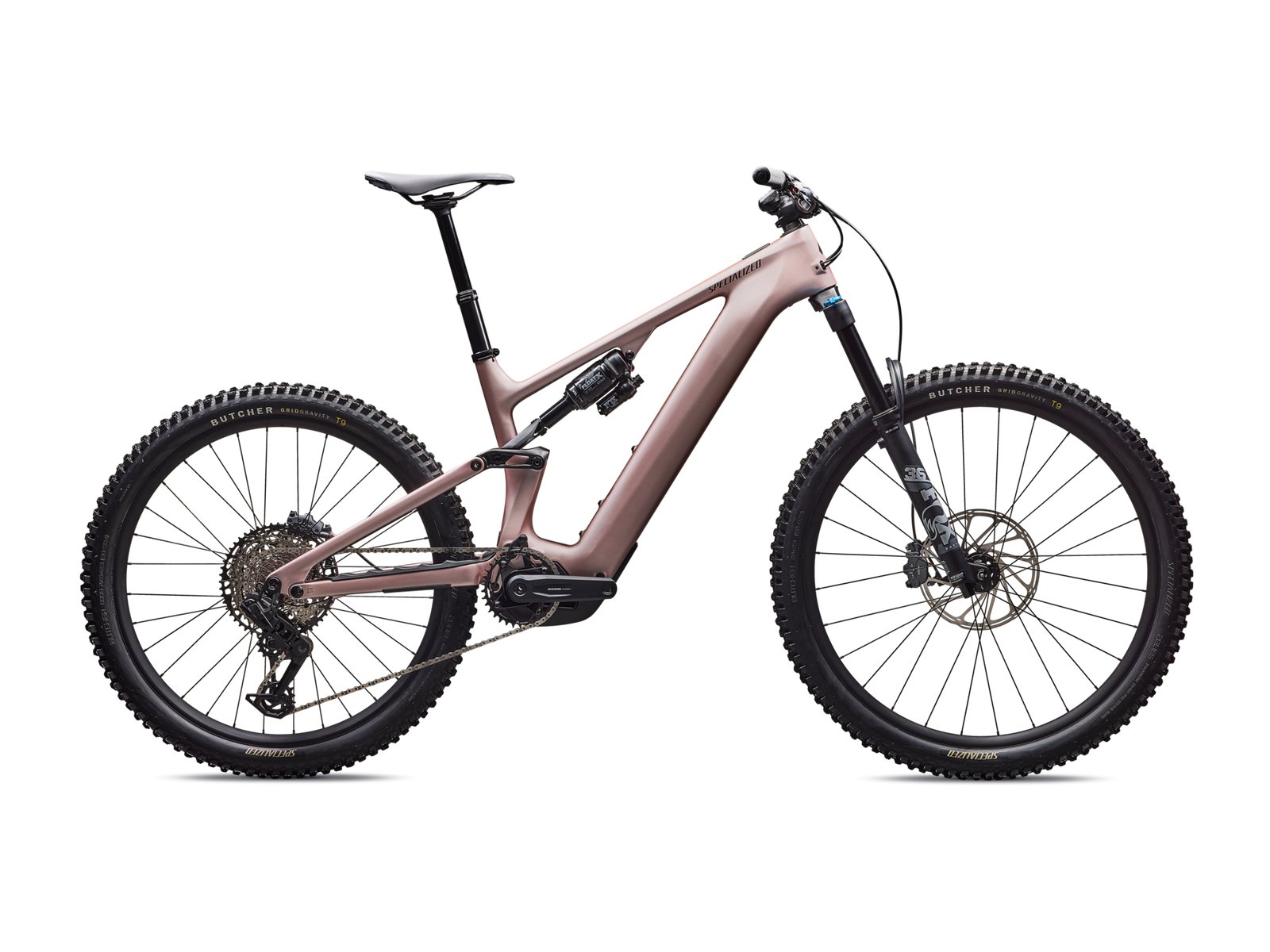
The Icon. All-new 101Nm Specialized 3.1 motor — the most powerful, most refined Levo ever created.