General
How Much Should an E-Bike Weigh? 2026 Weight Guide by Category
James Bettoni 3 min read25 July 2026
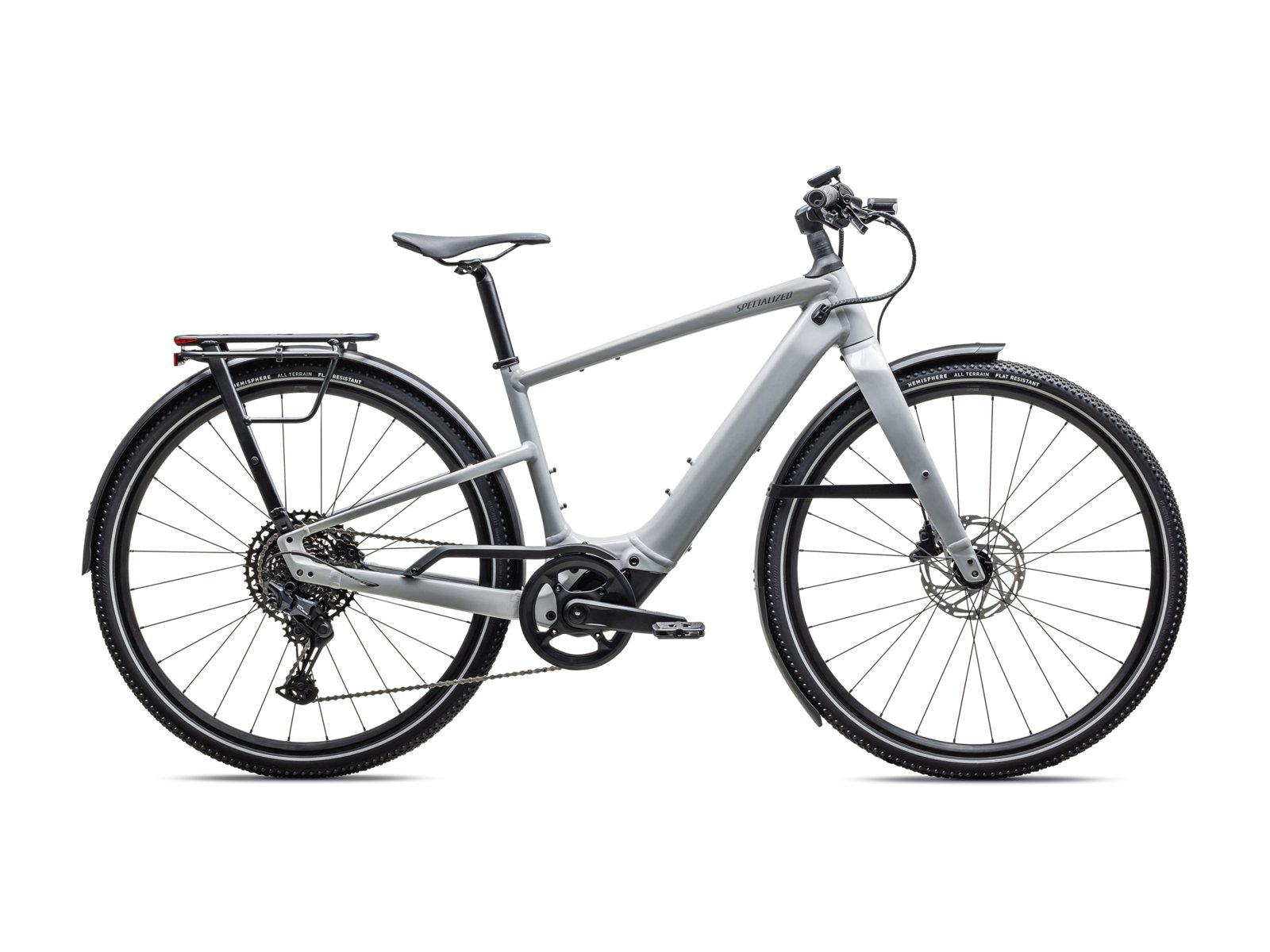
"How much does it weigh?" is the second question everyone asks about an e-bike (after range). Here's what's normal, what's light, and when weight actually matters.
2026 Weight Benchmarks by Category
| Category | Light | Average | Heavy |
|---|---|---|---|
| Road e-bike | 11-13kg | 13-15kg | 15-17kg |
| Commuter/hybrid | 18-20kg | 20-23kg | 23-27kg |
| E-MTB (trail) | 19-21kg | 21-24kg | 24-27kg |
| E-MTB (enduro) | 21-23kg | 23-26kg | 26-28kg |
| Cargo e-bike | 30-35kg | 35-45kg | 45-55kg |
| Folding e-bike | 14-16kg | 16-20kg | 20-24kg |
What Adds Weight
Breaking down a typical 22kg e-MTB:
- Frame: 3-4kg
- Motor: 2-3.5kg
- Battery: 3-4kg
- Fork: 1.5-2.5kg
- Wheels + tyres: 3-4kg
- Drivetrain: 1.5-2kg
- Everything else: 3-5kg
The motor and battery alone add 5-7.5kg over an acoustic equivalent. That's non-negotiable with current technology.
When Weight Matters
It Matters A Lot
- Carrying upstairs: Even 2kg makes a difference when you're lugging it daily
- Loading onto a car rack: Heavy bikes need sturdier (more expensive) racks
- Handling at low speed: Heavier bikes are less nimble in car parks and tight spaces
- Manual trail features: Jumping, manualling, and technical MTB moves
It Matters Somewhat
- Climbing efficiency: Heavier = more energy used, but the motor compensates
- Acceleration: Noticeable difference between 20kg and 26kg bikes
- Tyre/component wear: More weight = faster wear on everything
It Barely Matters
- Cruising speed on flat: Motor assistance makes weight irrelevant at steady speeds
- Descending: More weight can actually improve stability and grip
- Range: Motor efficiency matters more than weight for battery consumption
The Lightweights
2026's impressively light e-bikes:
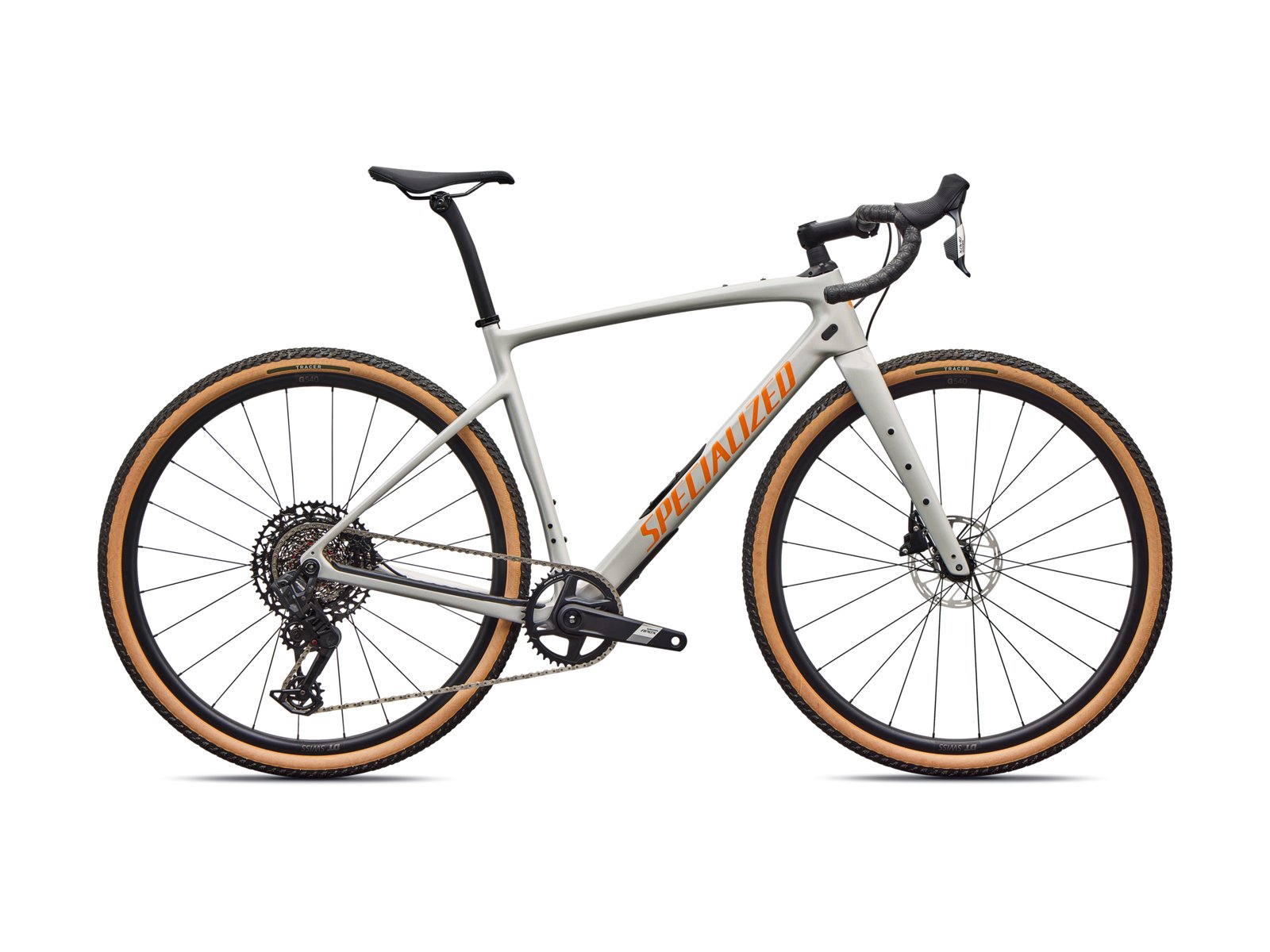
- Specialized Creo 2 SL: 11.9kg (road, SL motor)
- Scott Lumen eRide: 15.2kg (XC MTB, TQ motor)
- Orbea Gain: 12.5kg (road, Mahle hub)
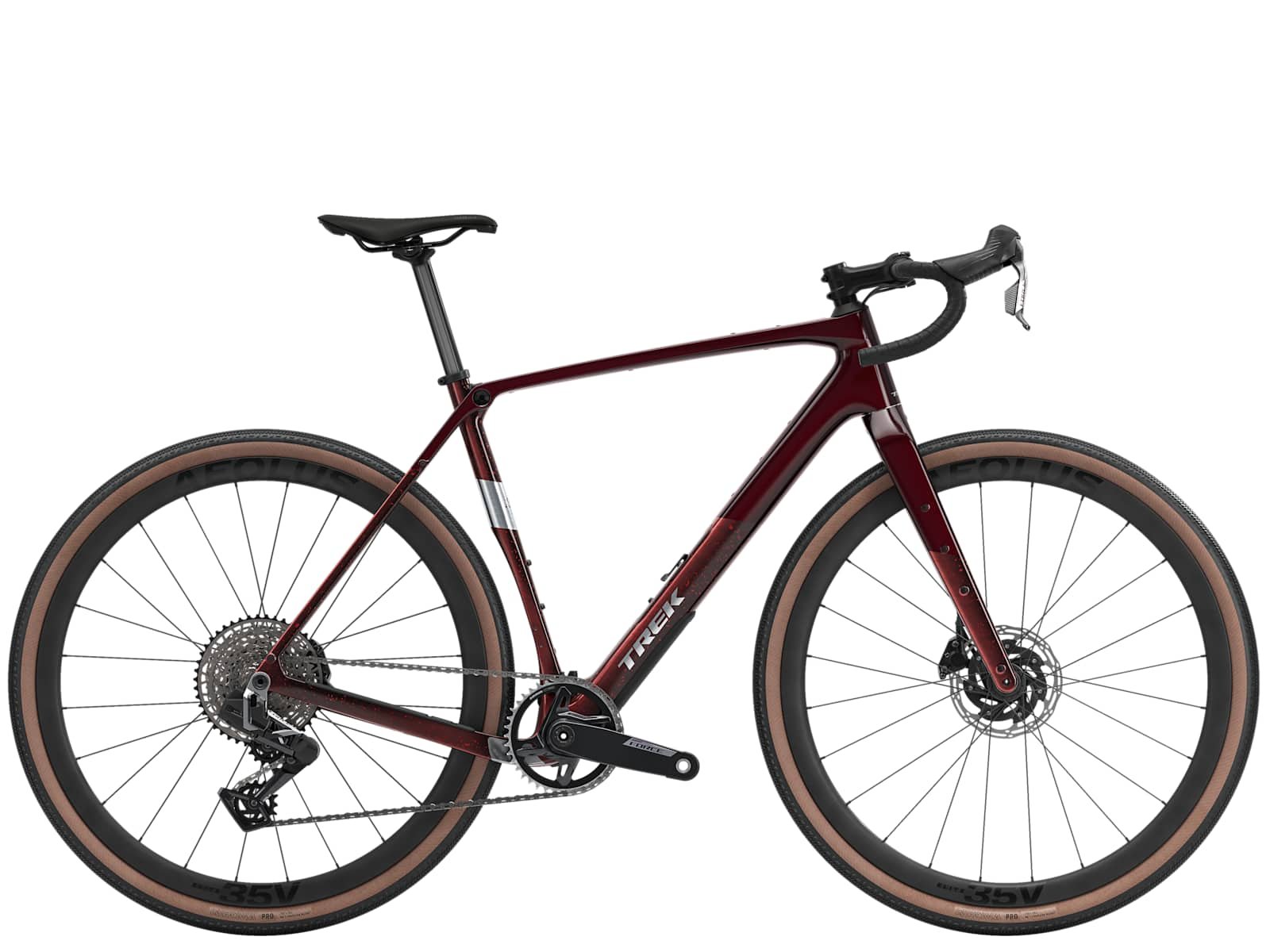
- Trek Domane+ SLR: 12.3kg (road, TQ motor)
These achieve low weight through smaller batteries (250-360Wh), lighter motors, and premium carbon frames. You pay in range and price.
The Trade-Off
Light e-bikes sacrifice:
- Battery capacity (less range)
- Motor power (less torque)
- Component robustness (lighter parts are more fragile)
- Budget (lightweight = expensive)
Heavy e-bikes gain:
- Bigger batteries (more range)
- More powerful motors
- Tougher components
- Better value per pound spent
Practical Advice
- Know your storage: If you carry it upstairs daily, weight is priority number one
- Know your terrain: Flat commuters barely notice weight; hilly trail riders do
- Test ride: 2-3kg difference feels less significant on the trail than on paper
- Don't obsess: A 23kg e-MTB with 750Wh battery is more practical than a 19kg e-MTB with 320Wh battery for most UK riders
For our top picks by category, see the best e-bikes UK 2026 guide.
#ebike weight#how heavy is an electric bike#lightweight ebike#ebike weight by category
Further reading
Ready to find your perfect ride?
Browse our premium Specialized, Trek and Sur-Ron range — WhatsApp us for expert advice and fast EU delivery.
Shop the range