Mid-Drive vs Hub Motor: Which E-Bike Motor Is Better in 2026?
It's the most fundamental choice in e-bike buying. Mid-drive (motor at the cranks) or hub motor (in the wheel). Each has genuine advantages and they suit different riders. Here's the honest breakdown.
How They Work
Mid-Drive
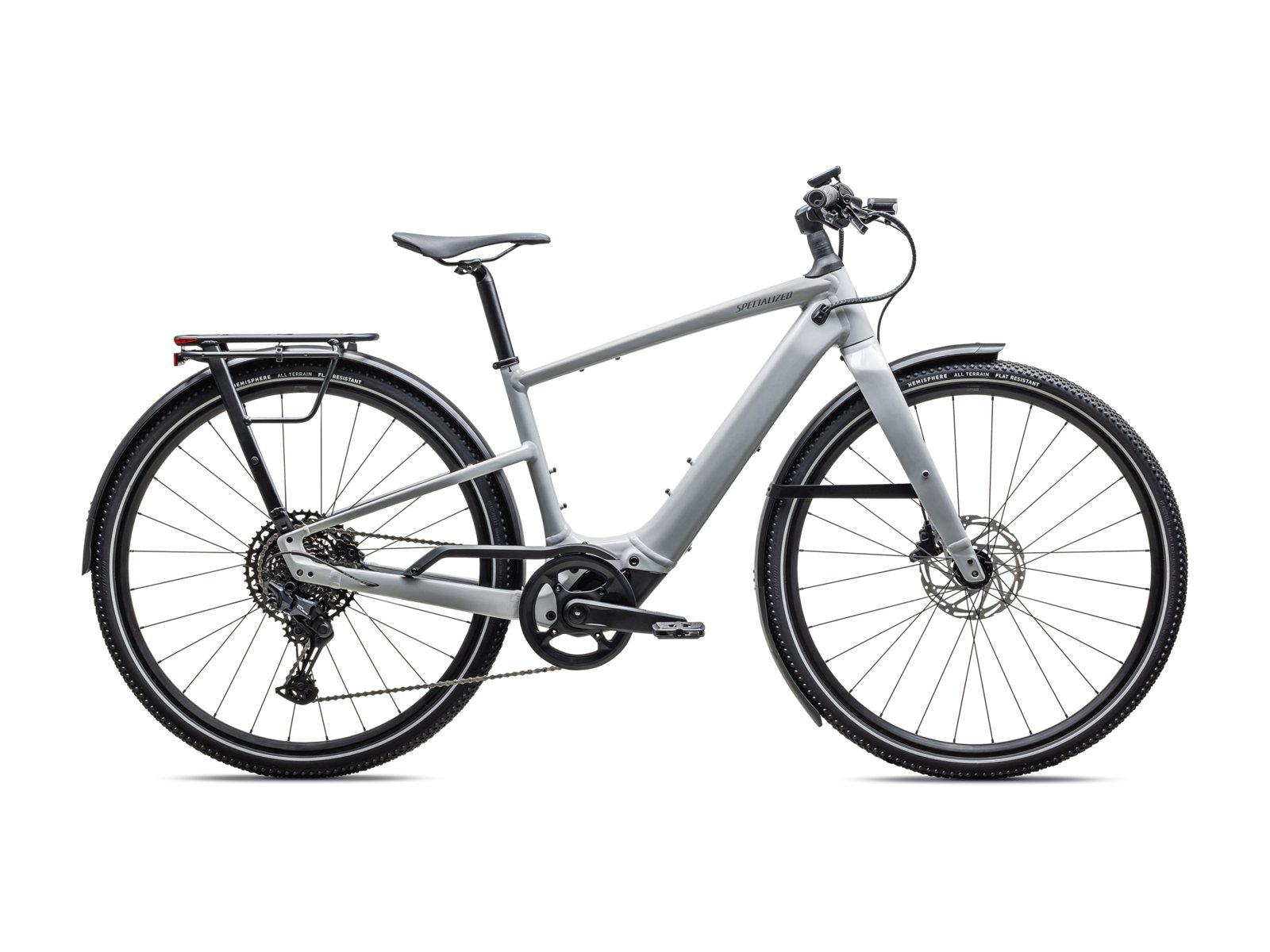
The motor sits at the bottom bracket and drives the chain. It uses your gears, multiplying its torque through the cassette. Examples: Bosch, Shimano STEPS, Brose, Specialized SL.
Hub Motor
The motor is built into the front or rear wheel hub. It drives the wheel directly, independently of your gears. Examples: Mahle, Hyena, Bafang hub, Swytch.
Mid-Drive Advantages
- Better climbing: Uses your gears for mechanical advantage. Lower gears = more torque at the wheel.
- Natural ride feel: Power goes through the drivetrain like your legs do. Feels more like a bicycle.
- Better weight distribution: Central, low position keeps handling balanced.
- Efficient at varied speeds: Because it uses gears, it stays in its efficient RPM range.
- Easier wheel removal: Standard wheels, no motor cable to disconnect.
Mid-Drive Disadvantages
- Drivetrain wear: Chains and cassettes wear 2-3x faster than on hub motor bikes.
- More expensive: Mid-drive systems cost £200-£500 more than equivalent hub setups.
- Noisier: More mechanical noise from the motor and drivetrain under load.
- Shifting under power: You need to ease off power when shifting (or use electronic shifting).
- Repair cost: If the motor fails, it's a significant repair. If a hub motor fails, you replace the wheel.
Hub Motor Advantages
- Low maintenance: No extra drivetrain wear. Chain and cassette last normal lifetimes.
- Silent operation: Hub motors are typically quieter, especially at lower assist levels.
- Simpler system: Fewer things to go wrong mechanically.
- Cheaper: Both purchase price and maintenance costs.
- Regenerative braking: Some hub motors can recapture energy on descents (adds 5-10% range).
- Throttle option: Hub motors can more easily offer throttle-only operation (off-road use).
Hub Motor Disadvantages
- Worse on hills: Without gear multiplication, hub motors struggle on steep climbs.
- Unbalanced weight: Wheel is heavier, affecting handling (especially front hub motors).
- Less natural feel: Power delivery doesn't interact with your pedalling the same way.
- Puncture repair: Removing a motorised wheel is more complex.
- Efficiency drops at low speed: Hub motors are less efficient when grinding up steep hills.
Which Suits You?
| Riding Type | Recommended Motor |
|---|---|
| Hilly commute | Mid-drive |
| Flat commute | Either (hub is cheaper) |
| Mountain biking | Mid-drive (exclusively) |
| City/urban only | Hub (simpler, cheaper) |
| Road cycling | Mid-drive (weight/balance) |
| Cargo bike | Mid-drive (needs torque) |
| Budget build | Hub |
| Low maintenance priority | Hub |
The 2026 Reality
The gap is narrowing. Modern hub motors (Mahle X20, latest Bafang) are significantly better on hills than five years ago. And mid-drive reliability has improved enormously. The choice is less dramatic than it used to be.
For most UK commuters on mixed terrain, a quality mid-drive (Bosch, Shimano) remains the best all-round choice. For flat-city riders who prioritise low maintenance and lower cost, a hub motor is perfectly adequate.
See our best e-bikes UK 2026 for top picks in both categories.
Further reading
Ready to find your perfect ride?
Browse our premium Specialized, Trek and Sur-Ron range — WhatsApp us for expert advice and fast EU delivery.
Shop the range