The Future of E-Bikes: 2026 Trends and What's Coming Next
The e-bike industry has matured enormously since the pandemic boom. Here's where things stand in 2026 and where they're heading.
Trend 1: Weight Keeps Dropping
The most dramatic shift in premium e-bikes. Sub-12kg road e-bikes and sub-16kg e-MTBs are now available from multiple brands. This is driven by:
- Lighter motors: TQ HPR50 (1.85kg), Specialized SL 1.2 (1.95kg), Fazua Ride 60 (1.96kg)
- Smaller, denser batteries: Higher energy density cells (Samsung 50S, Molicel P50B)
- Carbon everything: Frames, rims, cranks — all shedding grams
- System integration: Components designed as a system rather than bolted together
Where it's going: Sub-10kg road e-bikes within 2 years. The line between "e-bike" and "regular bike with a hidden motor" is disappearing.
Trend 2: Battery Technology Evolution
Current State (2026)
- Standard cells: 18650 and 21700 lithium-ion
- Energy density: ~260-280Wh/kg at cell level
- Pack-level: ~200-220Wh/kg
Coming Soon
- Silicon-anode cells: 20-40% more energy density. Arriving in premium bikes 2027-2028.
- Solid-state batteries: Theoretical 2-3x density improvement. Still 3-5 years from mainstream e-bikes.
- Faster charging: 80% in 30 minutes becoming standard (vs 2-3 hours currently).
Impact
Expect either significantly longer range at the same weight, or the same range at dramatically lower weight. Both are already happening.
Trend 3: Motor Integration Becomes Invisible
The biggest motors (Bosch CX, Shimano EP8) are shrinking and becoming quieter:
- Latest Bosch motors are 50% smaller than 2020 equivalents
- Noise reduction is dramatic — many 2026 motors are near-silent
- Frame integration means you can't see the motor from outside
The trend endpoint: motors invisible inside the frame, indistinguishable from acoustic bikes. Some brands are already there (Specialized SL, Fazua systems).
Trend 4: Smart Connectivity Is Standard
Every premium e-bike now offers:
- Smartphone app integration (ride tracking, motor tuning, diagnostics)
- GPS tracking (anti-theft)
- Over-the-air firmware updates
- Automatic gear suggestion or electronic shifting integration
- Navigation through handlebar displays
Where it's going: AI-powered adaptive assistance that learns your riding style, routes, and preferences. Some early implementations already exist in the Bosch ecosystem.
Trend 5: The Subscription Model Grows
Multiple companies now offer e-bikes as a service:
- Monthly fee covers bike, maintenance, insurance
- Swap for newer models periodically
- No commitment to a specific bike
- Especially popular for commuter bikes
This model works well for companies providing employee benefits and for riders who don't want ownership hassle.
Trend 6: Regulation Catches Up (Slowly)
UK and EU regulators are:
- Considering speed limit increases (20mph discussed but not enacted)
- Debating new vehicle categories between EAPC and motorcycle
- Mandating safety standards for batteries (fire safety)
- Improving cycling infrastructure (mixed results)
The gap: Technology moves faster than regulation. Many 2026 bikes are technically capable of much more than the 15.5mph legal limit allows.
Trend 7: The Market Matures
- Fewer new brands launching (market consolidation)
- Prices stabilising after years of increases
- Second-hand market growing (quality used e-bikes available)
- Dealer networks improving for after-sales service
- UK-specific models increasing (vs EU-first, UK-adapted)
Trend 8: Category Blurring
The lines between categories are dissolving:
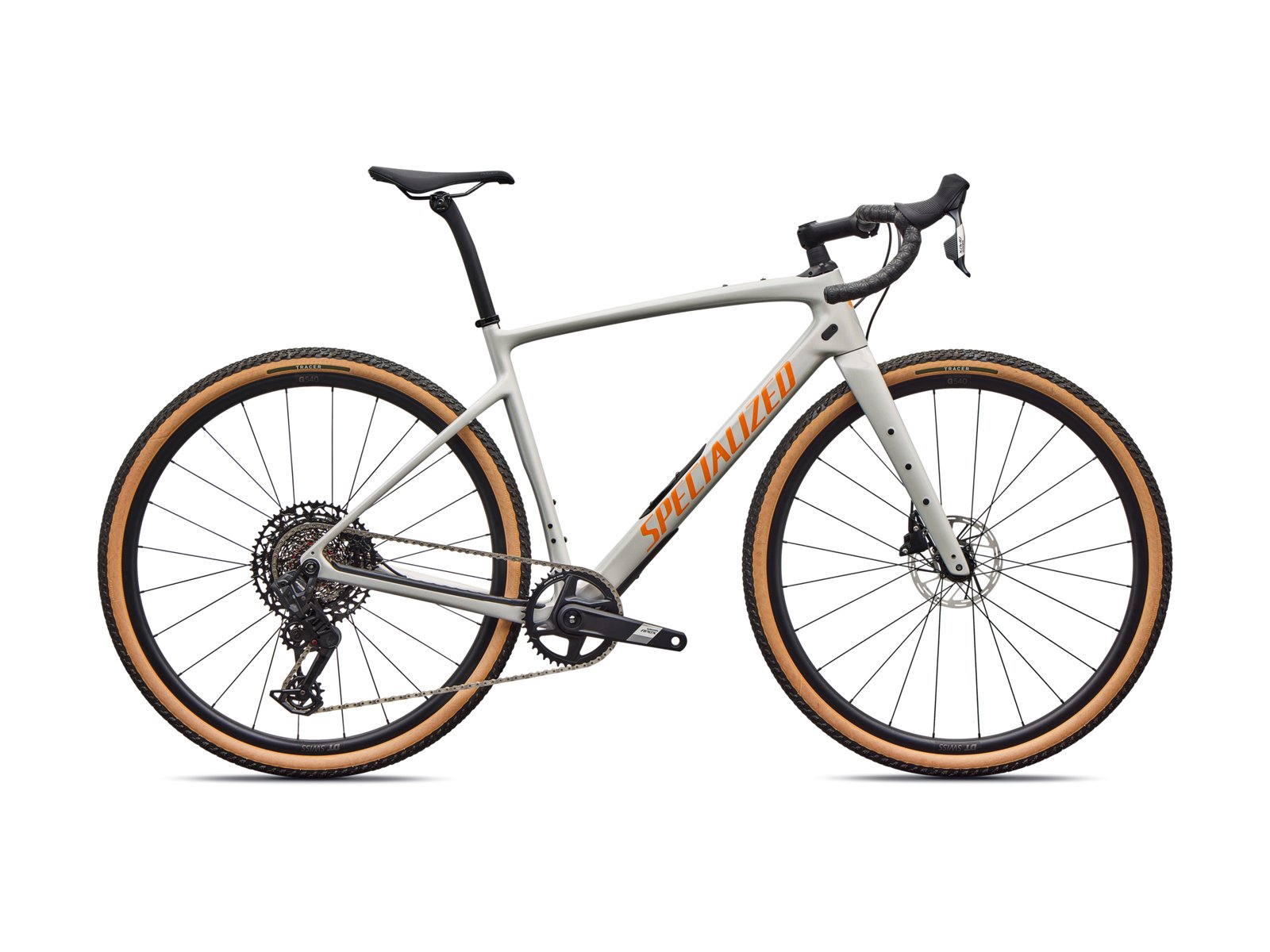
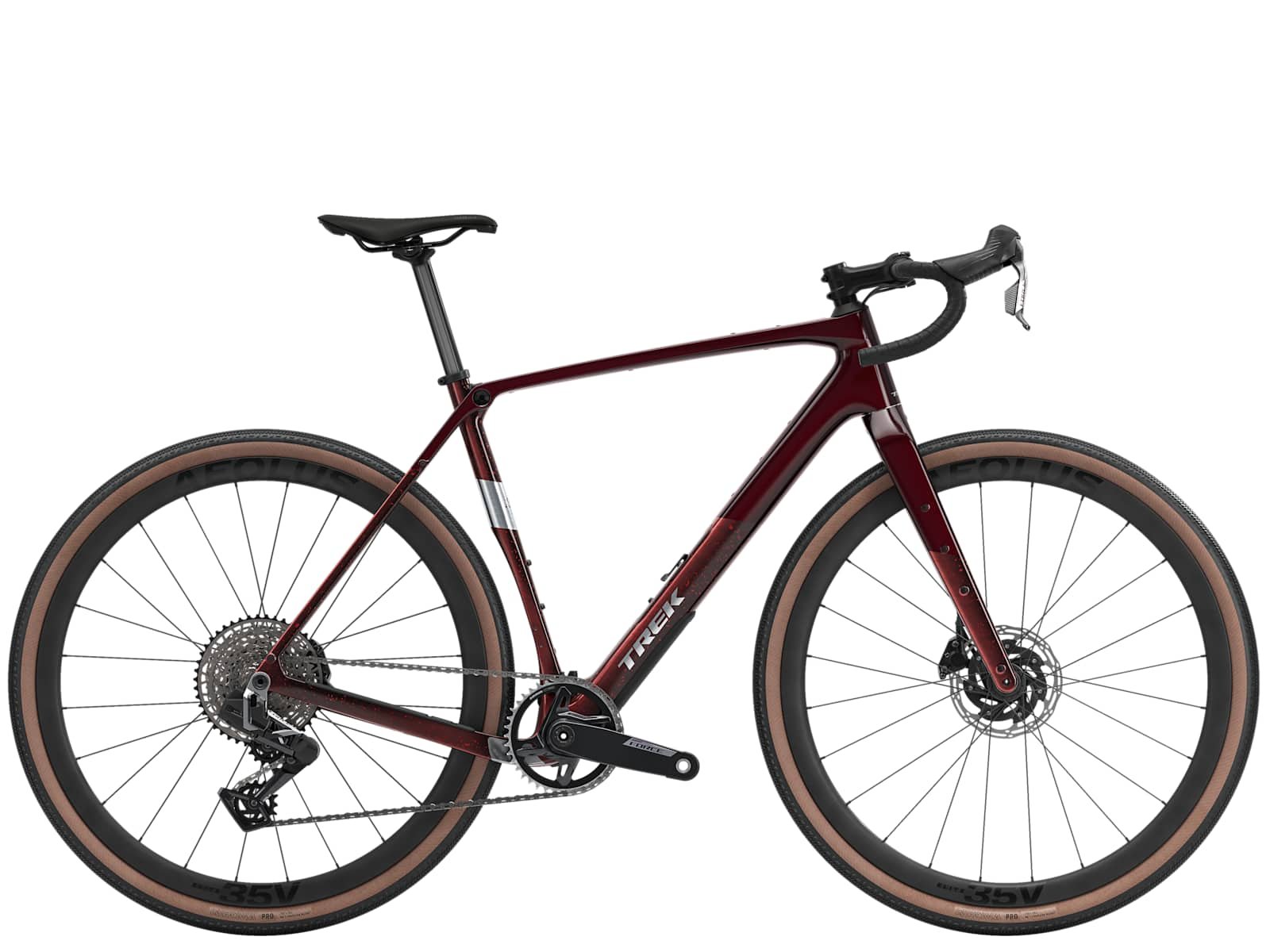
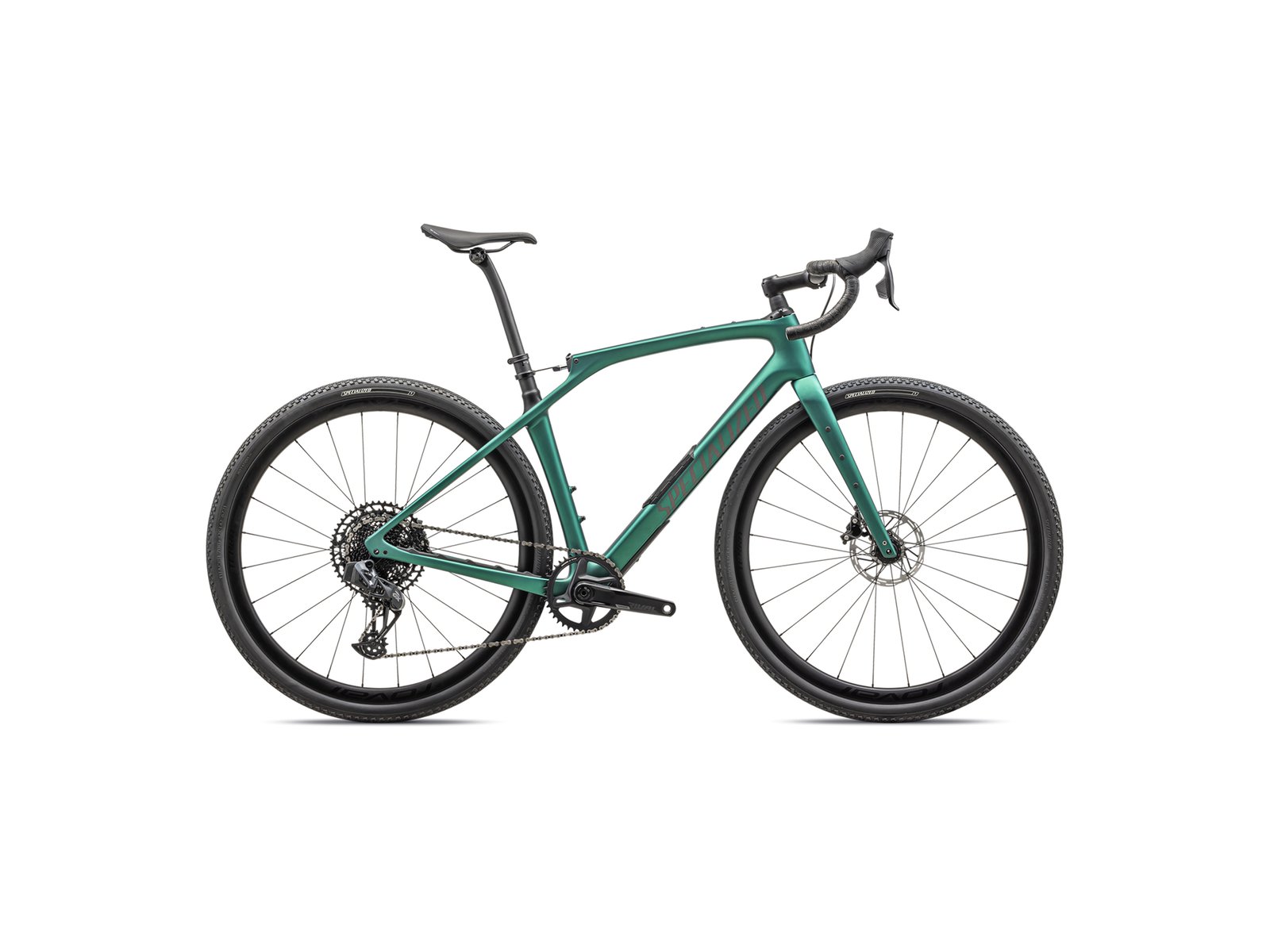
- Gravel e-bikes that climb like road bikes
- E-MTBs that weigh less than trail bikes from 2020
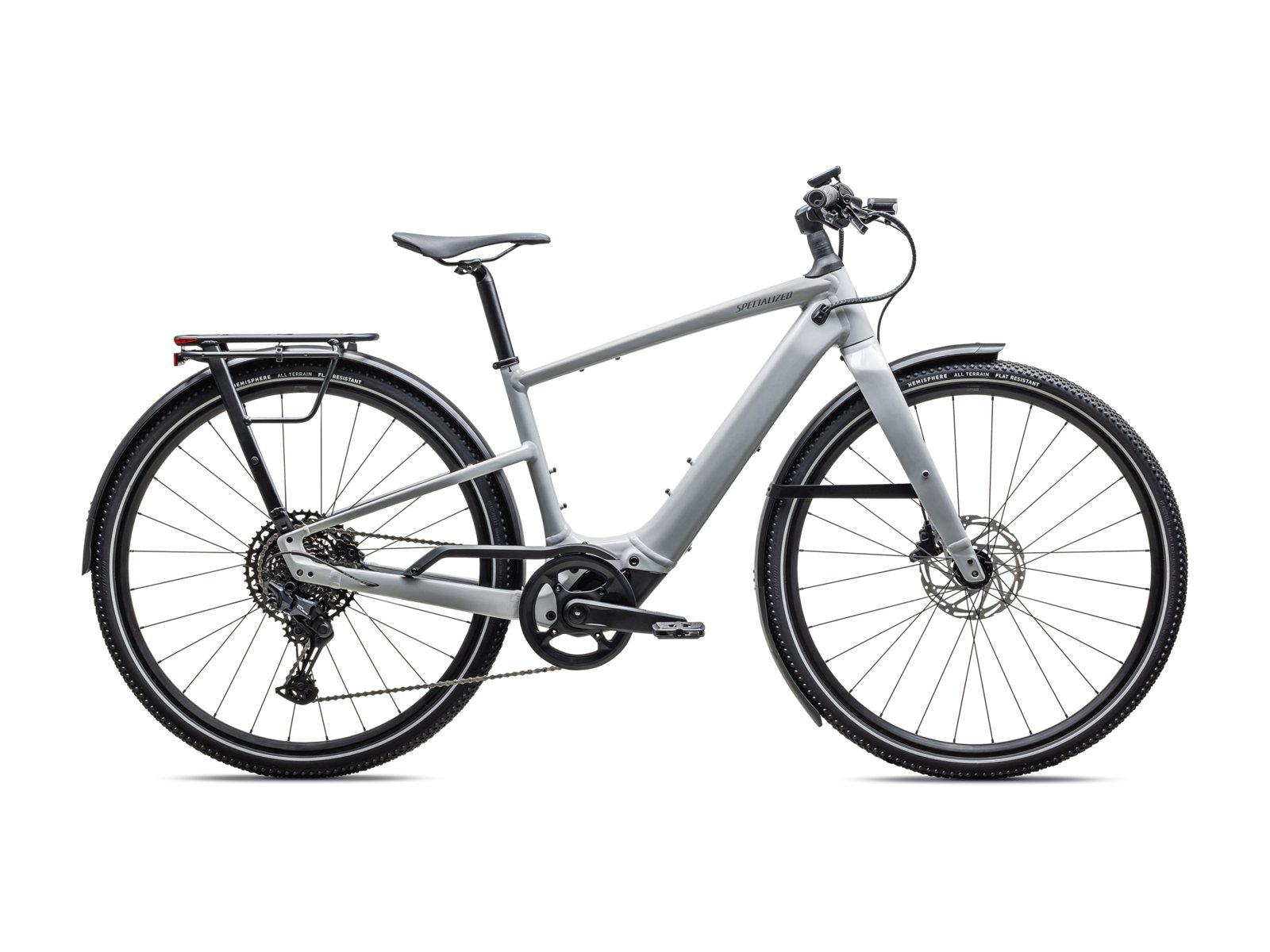
- Commuter e-bikes with genuine off-road capability
- Cargo bikes that ride like regular bikes
The "one bike for everything" dream is closer than ever, especially with e-assistance.
What This Means for Buyers
Buying now vs waiting:
- Current bikes are excellent. Waiting 2 years gets you 10-15% improvement, not a revolution.
- If you need a bike now, buy now. Don't wait for solid-state batteries or regulatory changes.
- The best time to start e-bike commuting was 5 years ago. The second best time is today.
Start your research with our best e-bikes UK 2026 guide.
Further reading
Ready to find your perfect ride?
Browse our premium Specialized, Trek and Sur-Ron range — WhatsApp us for expert advice and fast EU delivery.
Shop the range