Sur-Ron
Sur-Ron Battery Maintenance Guide: Extend Your Pack's Life
Harrison McGuire 3 min read19 June 2026
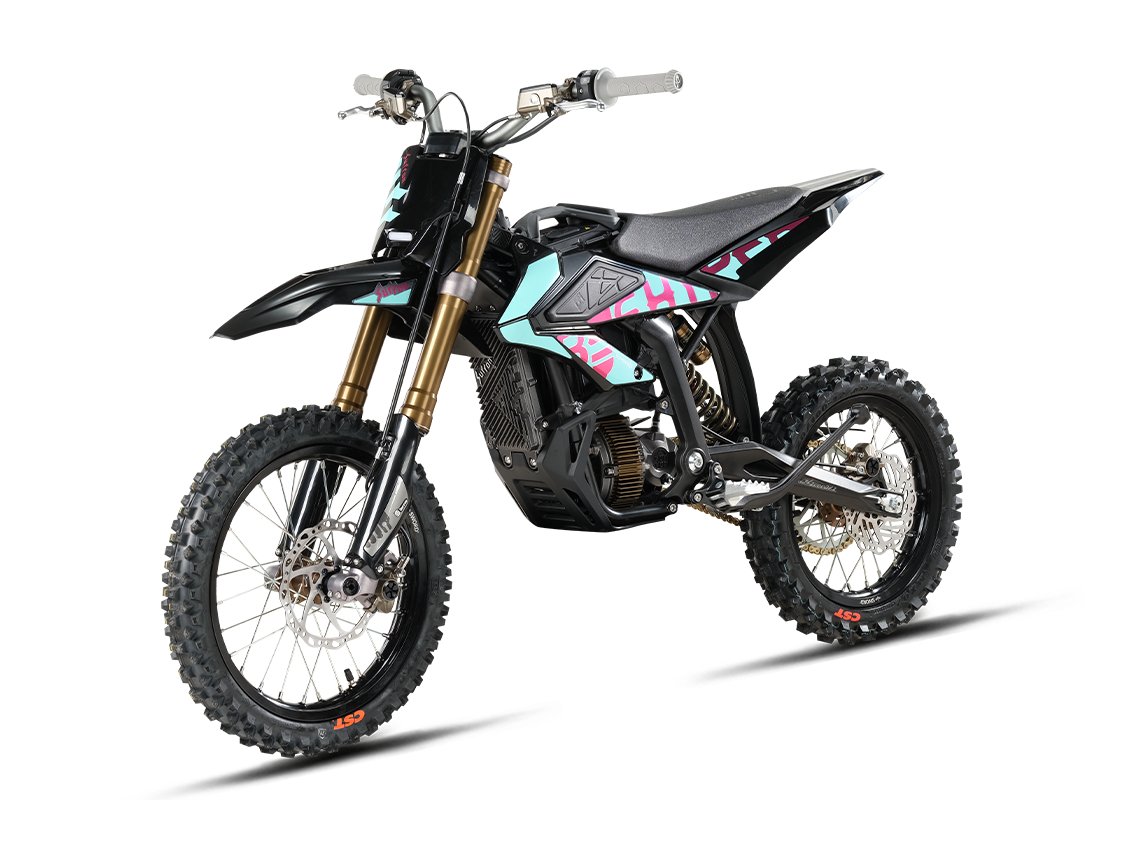
Your Sur-Ron's battery is the most expensive single component to replace. Treat it well and it'll last 1000+ cycles. Abuse it and you'll be shopping for a new pack within two years. Here's how to keep it healthy.
The Basics: How Li-Ion Cells Age
Sur-Ron batteries use lithium-ion cells (typically Samsung or LG 21700 format). They degrade through:
- Cycle ageing: Every charge/discharge cycle causes slight capacity loss
- Calendar ageing: Cells degrade even sitting unused
- Thermal stress: Heat accelerates both types of ageing
- Depth of discharge: Deep discharges stress cells more than shallow ones
Charging Best Practices
Do This
- Charge at room temperature (15-25°C)
- Use the stock charger or a quality replacement rated for your pack
- Charge after the battery has cooled from riding (wait 30+ minutes)
- Charge to 80% for daily use; 100% only before a long ride
Don't Do This
- Never charge below 5°C (causes lithium plating, permanently damages cells)
- Never leave the charger connected for days after reaching 100%
- Never charge a battery that's hot from riding
- Never use a charger with higher voltage than specified
Storage Guidelines
Short-Term (1-4 weeks)
- Store at 50-70% state of charge
- Keep in a cool, dry location (10-20°C ideal)
- Disconnect the battery if your Sur-Ron has a main switch
Long-Term (1+ months)
- Store at 40-60% state of charge
- Check voltage monthly; top up if it drops below 40%
- Keep away from direct sunlight and heat sources
- Store on a non-flammable surface (concrete garage floor is perfect)
- Temperature: 10-15°C ideal, never below freezing, never above 30°C
Winter Care (UK Specific)
UK winters present unique challenges:
- Don't store in an unheated shed if temperatures drop below freezing regularly
- Bring the battery indoors if you can't heat the storage area
- Warm before charging: If the battery is cold, bring it to room temperature before plugging in
- Reduced range is normal: Expect 15-25% less range in cold conditions
- Dry thoroughly after wet rides: Moisture on connectors causes corrosion
Signs Your Battery Needs Attention
| Symptom | Likely Cause | Action |
|---|---|---|
| Sudden range drop (>20%) | Cell imbalance or dead cell | Get a diagnostic check |
| Battery won't charge to 100% | BMS limiting due to imbalanced cells | Balance charge or BMS reset |
| Excessive heat during charging | Cell degradation or BMS fault | Stop charging immediately, inspect |
| Reduced power/speed | Voltage sag from degraded cells | Capacity test, possible replacement |
| Battery cuts out under load | BMS protection triggering | Check for loose connections, overheating |
When to Replace
A Sur-Ron battery is typically end-of-life when:
- Capacity drops below 70% of original (measured, not guessed)
- It can no longer deliver consistent power without cutting out
- Charging takes dramatically longer than when new
- Physical swelling is visible (STOP USING IMMEDIATELY)
Replacement Options
- OEM replacement: £800-£1,500 depending on model. Safe bet.
- Aftermarket upgrade: £1,000-£2,500 for higher-capacity packs. Research the builder thoroughly.
- Cell replacement: £500-£800 for a repack using quality cells. Requires a competent battery builder.
The Golden Rules
- Keep it between 20% and 80% for daily use
- Store at 50% if you're not riding for weeks
- Never charge cold, never charge hot
- Keep it dry and clean
- A battery that's looked after will outlast the bike around it
New to Sur-Ron? Read our Light Bee X review or Ultra Bee review.
#sur-ron battery maintenance#surron battery care#sur-ron charging guide#electric bike battery life
Further reading
Ready to find your perfect ride?
Browse our premium Specialized, Trek and Sur-Ron range — WhatsApp us for expert advice and fast EU delivery.
Shop the range